Roman Shades: Pros and Cons
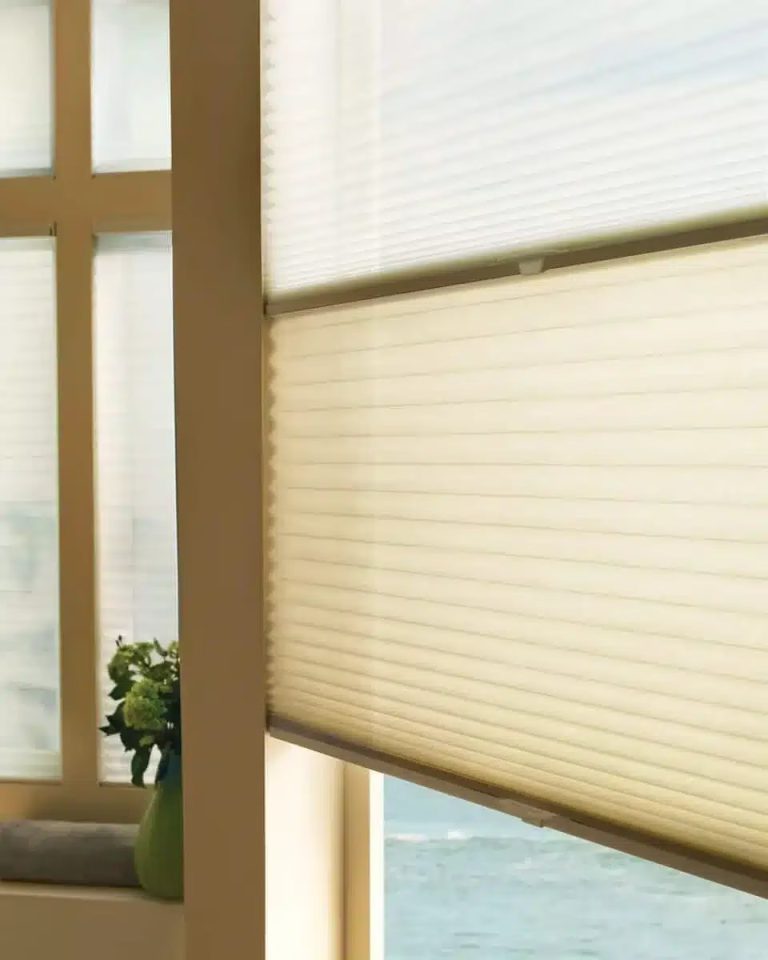
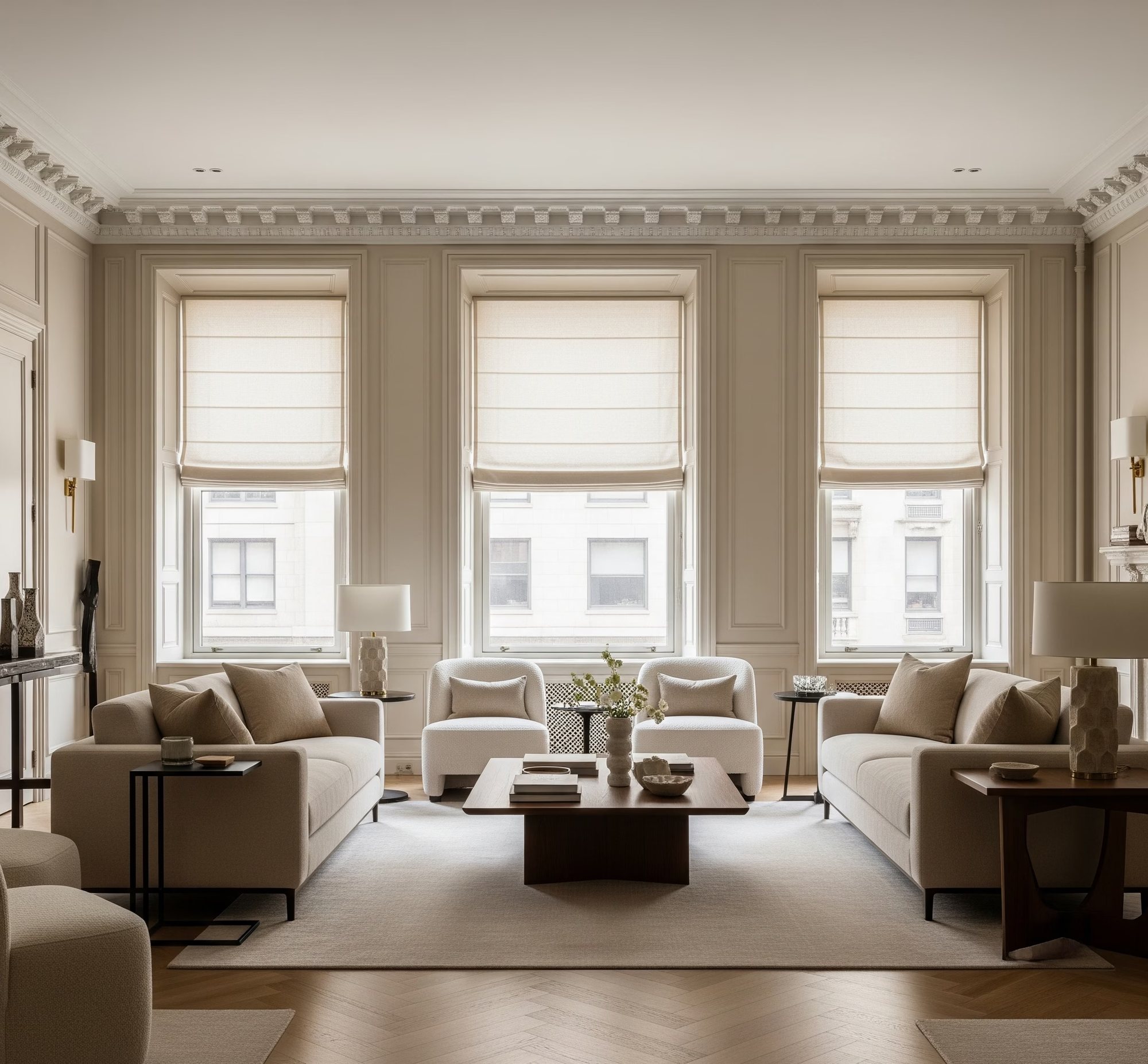
Roman shades combine fabric with the practical operation of a window shade.
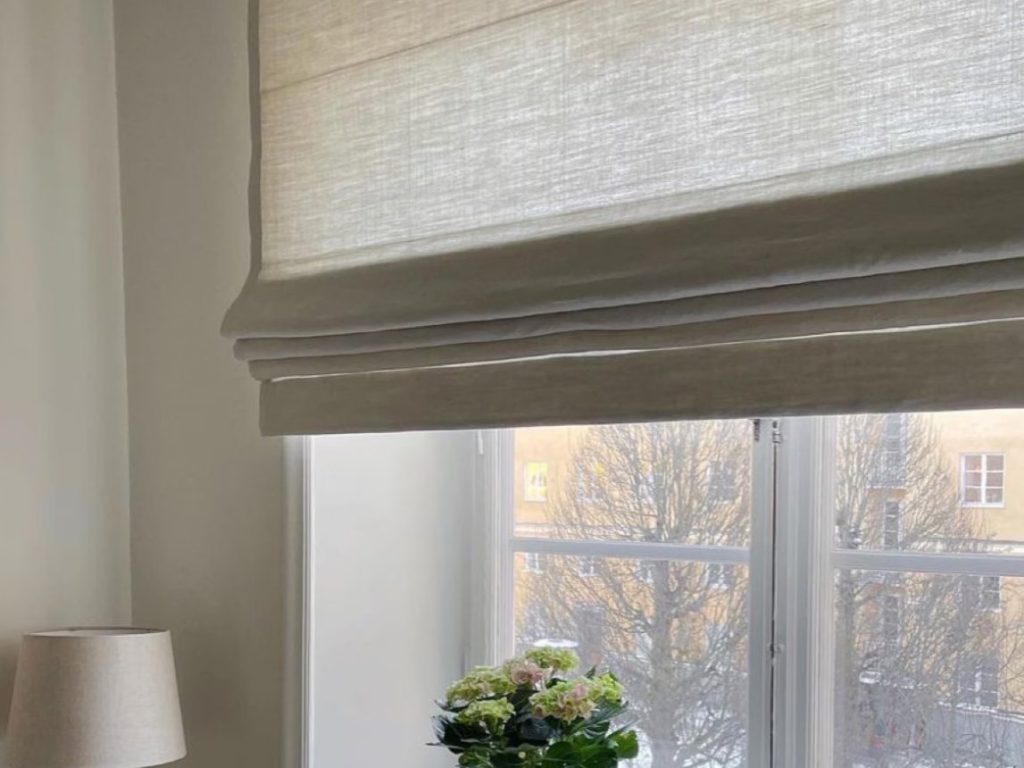
When lowered, the shade creates a relatively smooth fabric surface.
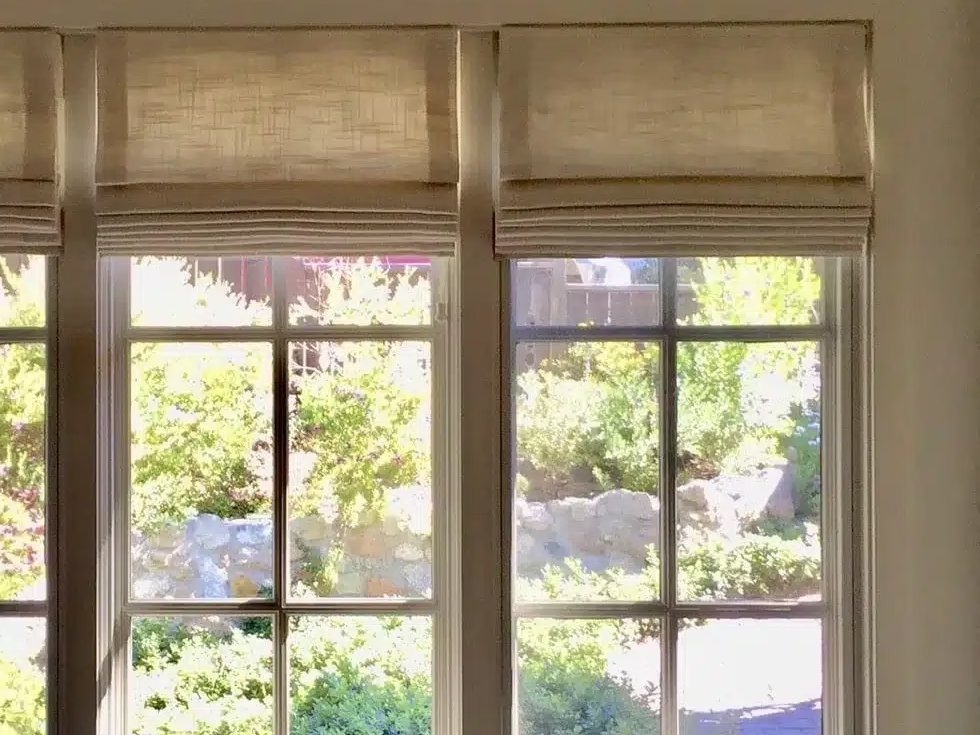
When raised, the material folds into horizontal sections near the top of the window.
This makes Roman shades a good option for homeowners who want something softer than conventional blinds without using full curtains.
Advantages of Roman Shades
Soft, Decorative Appearance
Roman shades introduce fabric texture into the room.
They can work well in:
- bedrooms
- dining rooms
- living rooms
- home offices
Large Fabric Selection
Depending on the manufacturer, Roman shades may be available in many:
- colours
- textures
- patterns
- opacity levels
This makes them useful for design-focused rooms.
Multiple Light-Control Options
Roman shades can use different materials or linings.
Options may include:
- light filtering
- room darkening
- blackout lining
Less Fabric Than Full Curtains
Roman shades can create a soft textile appearance without requiring curtain panels extending across an entire wall.
This is useful where wall space beside the window is limited.
Can Work in Traditional or Modern Interiors
Fabric selection and construction have a major impact on the final look.
Simple neutral fabrics can appear contemporary, while textured or patterned materials can produce a more traditional effect.
Disadvantages of Roman Shades
Fabric Requires More Care
Fabric may:
- collect dust
- stain
- require careful cleaning
They are generally not as easy to wipe clean as faux wood or vinyl blinds.
The Fabric Stack Remains Visible
When fully raised, Roman shades create a folded fabric stack near the top of the window.
That means they do not disappear as completely as some roller shades.
Not Ideal for Every Damp Environment
Certain fabrics may not be suitable for locations with frequent moisture.
Product and material selection matters in:
- bathrooms
- windows near kitchen sinks
Usually More Visually Substantial
If the goal is the most minimal window treatment possible, a simple roller shade may feel cleaner.
Roman Shades vs. Roller Shades
| Feature | Roman Shades | Roller Shades |
|---|---|---|
| Appearance | Soft, folded fabric | Clean, minimal surface |
| Fabric Presence | Strong decorative element | Usually simpler |
| Stack When Open | Visible folds | Rolls compactly at top |
| Light Control | Depends on fabric/lining | Depends on fabric |
| Maintenance | Fabric-specific | Usually relatively simple |
| Best For | Bedrooms, living/dining spaces | Almost any room |
Are Roman Shades Good for Bedrooms?
Yes.
Roman shades work particularly well in bedrooms because they add softness and can be paired with:
- room-darkening lining
- blackout lining
- curtains
For stronger darkness, pay attention to light entering around the sides as well as through the shade.
Are Roman Shades Good for Living Rooms?
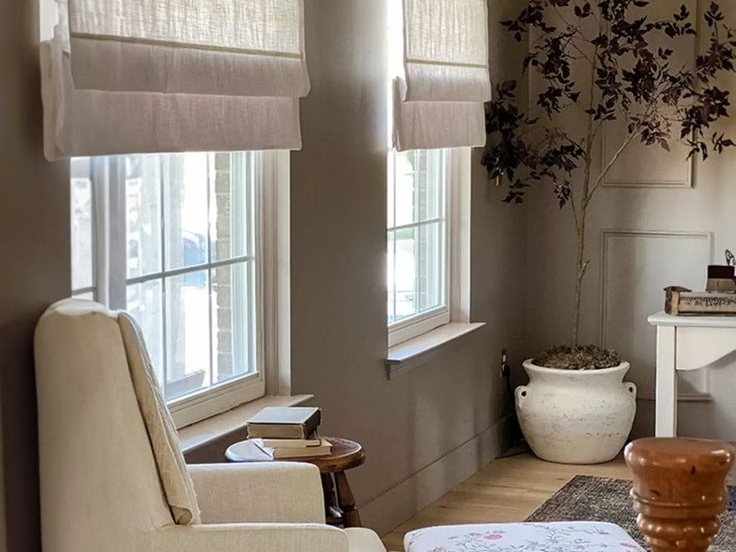
They can be excellent in living rooms where the window treatment is intended to contribute to the interior design.
They work especially well with:
- neutral textiles
- layered interiors
- traditional spaces
- transitional spaces
- softer contemporary interiors
Can Roman Shades Be Motorized?
Some Roman shade systems can be motorized.
Motorization may be particularly helpful for:
- larger shades
- hard-to-reach windows
- frequently operated treatments
Availability depends on the product and manufacturer.
Roman Shades vs. Curtains
Roman shades provide fabric softness without covering as much wall area.
Curtains can create a stronger architectural and decorative statement.
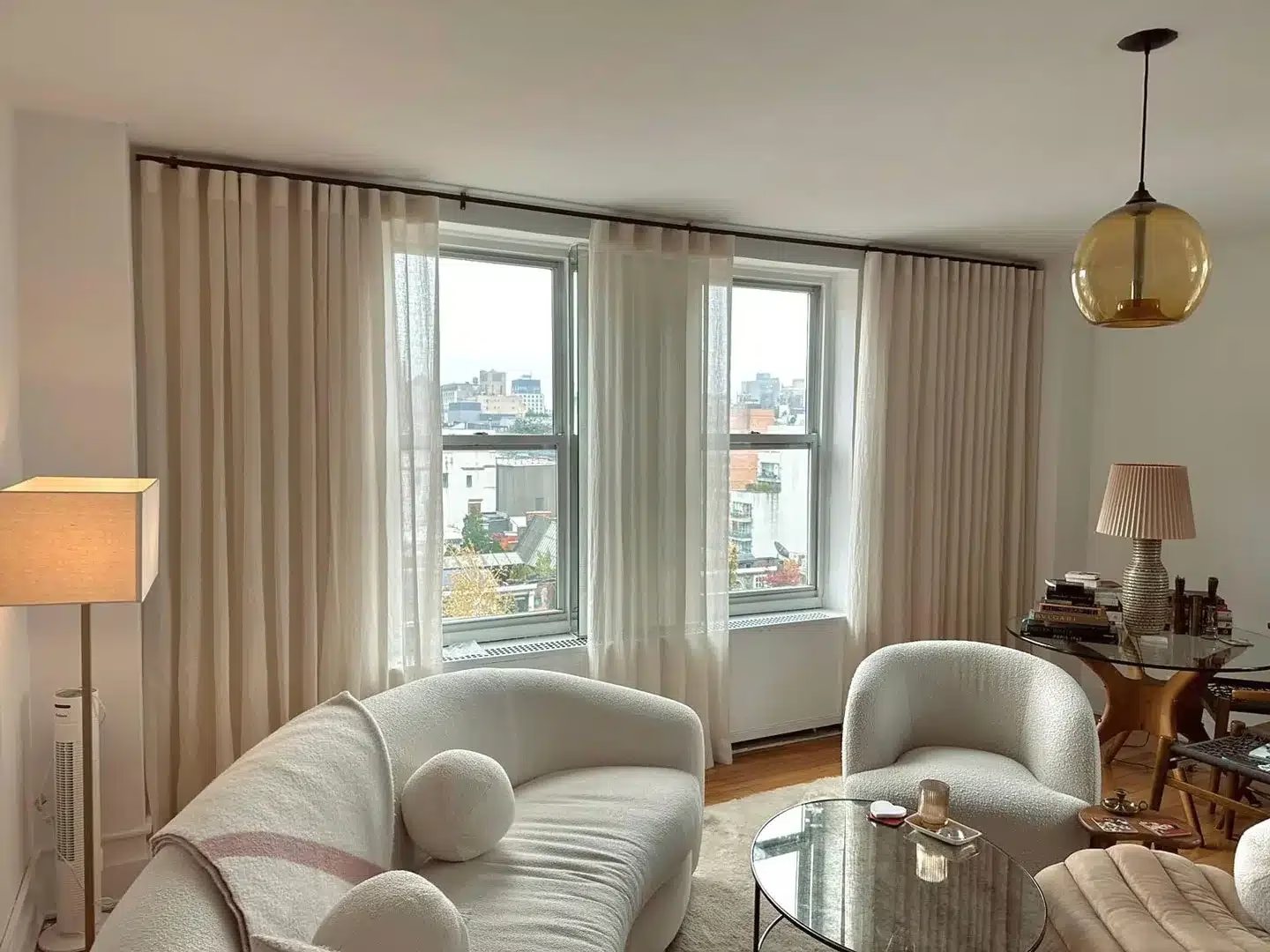
Some rooms use both:
- Roman shade: practical light control
- Curtains: decorative layer
Are Roman Shades Worth It?
Consider Roman shades if you want:
- a softer appearance
- decorative fabric
- a more tailored look than curtains
- privacy and light control in one treatment
Consider another option if your priority is:
- extremely easy cleaning
- the smallest possible stack
- very high-moisture environments
Final Thoughts
Roman shades sit between curtains and minimalist shades.
They provide the practical operation of a shade while introducing the texture and visual warmth of fabric.
For bedrooms, dining areas and design-focused living rooms, they can be an excellent choice.