Honeycomb Shades: Are They Worth It?
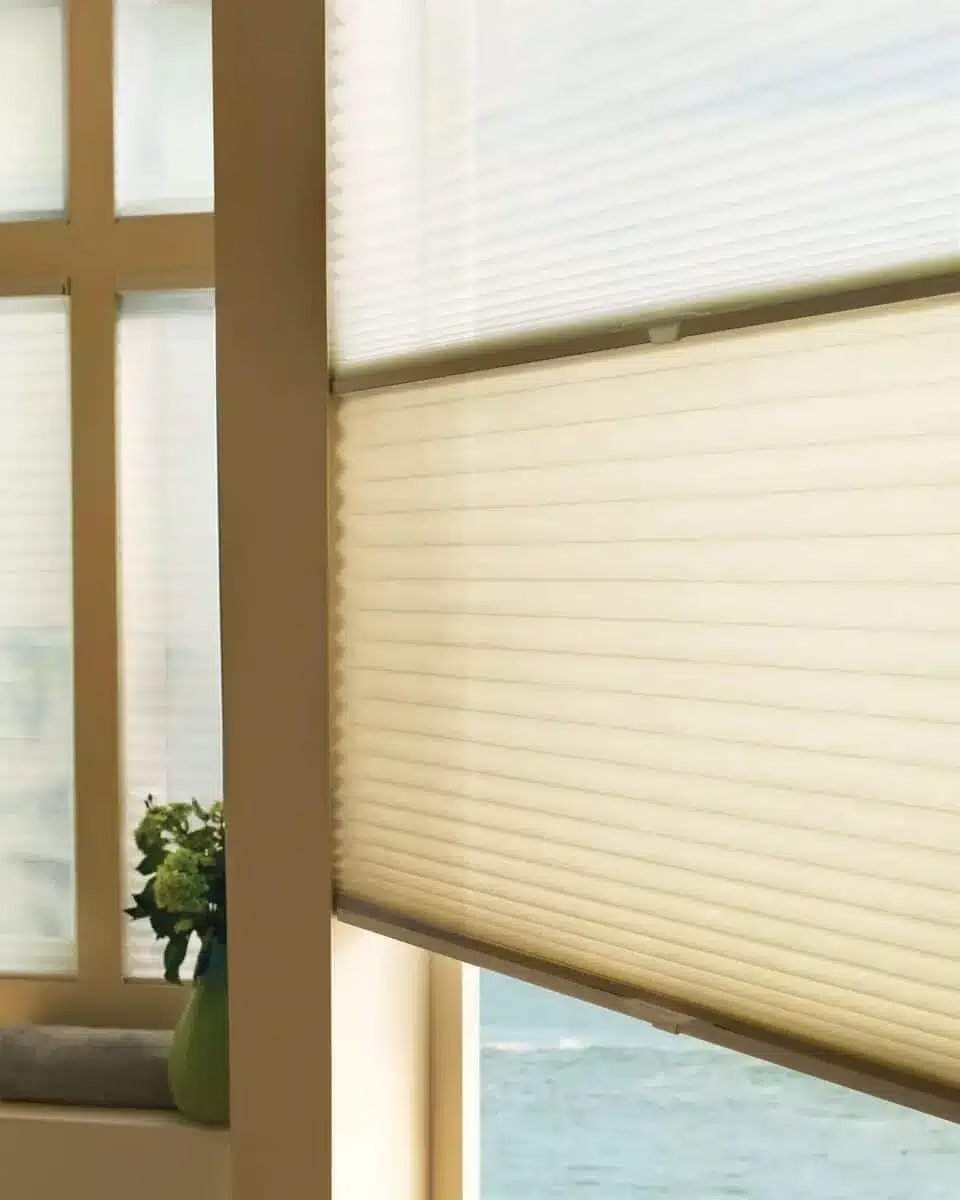
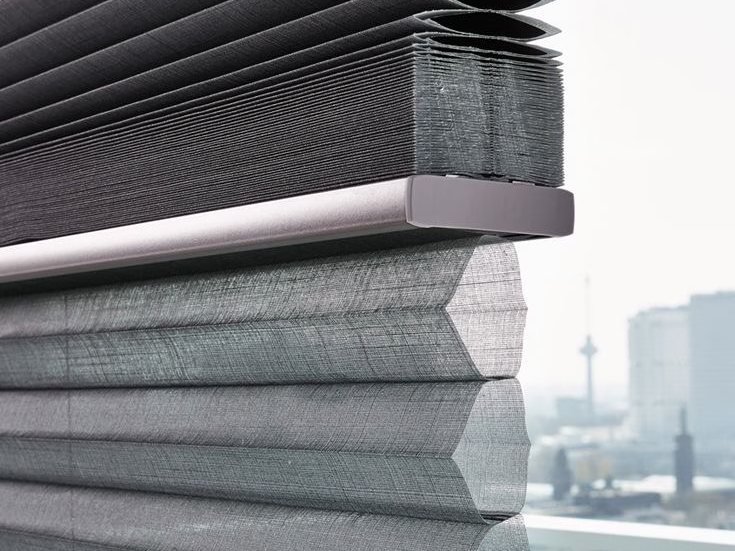
Honeycomb shades, also called cellular shades, are designed with fabric cells that create air pockets between the room and the glass.
Their distinctive construction can provide:
- light control
- privacy
- a clean appearance
- additional insulation near the window
They are particularly appealing to homeowners looking for both practical performance and a relatively minimal design.
How Do Honeycomb Shades Work?
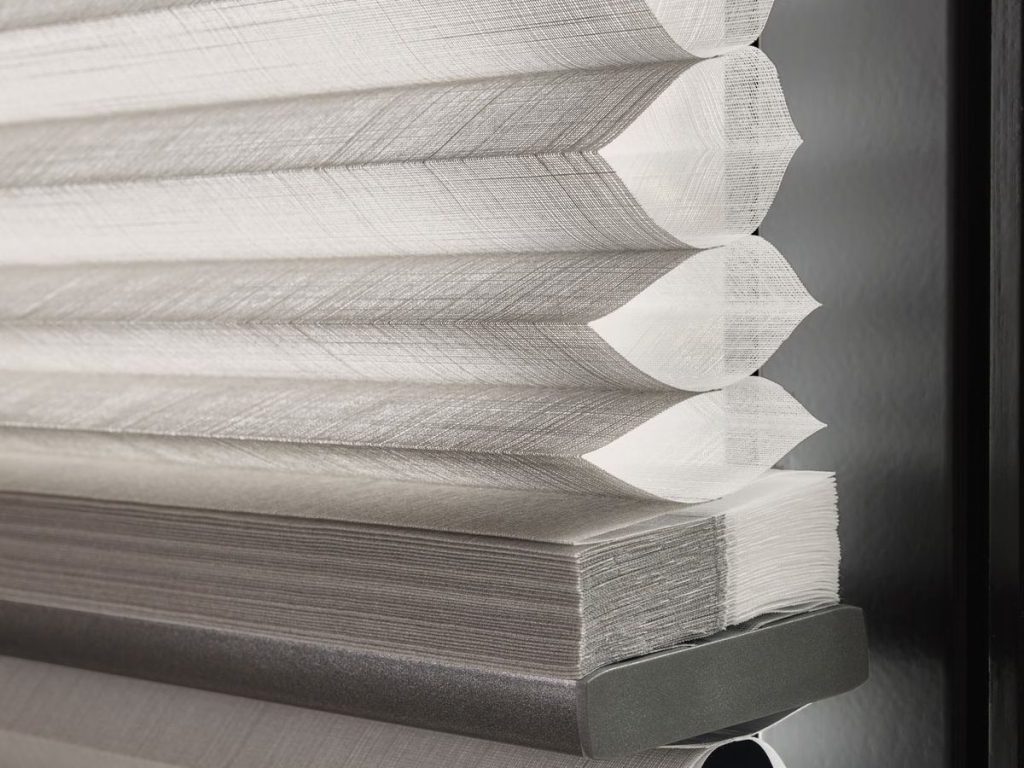
Viewed from the side, the material forms small cells.
These cells trap pockets of air.
That additional air layer can slow heat transfer between the room and the window.
Different products may use:
- single-cell construction
- double-cell construction
- different cell sizes
- light-filtering fabrics
- blackout fabrics
Advantages of Honeycomb Shades
Energy Efficiency
Insulation is one of their strongest advantages.
The cellular structure creates an additional barrier near the glass.
This can help improve comfort near windows during:
- cold Toronto winters
- warm summer periods
Clean Appearance
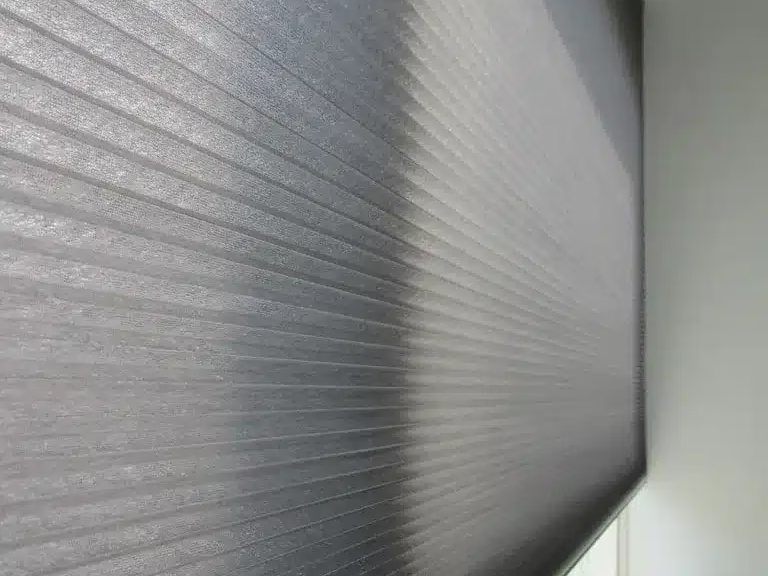
When lowered, honeycomb shades create a simple pleated surface.
They work with:
- modern interiors
- transitional interiors
- bedrooms
- offices
- living spaces
Light Filtering and Blackout Options
Depending on the product, cellular shades may be available as:
- light filtering
- room darkening
- blackout
Compact Operation
When raised, the fabric folds into a relatively compact stack.
Privacy
Opaque cellular fabrics can provide strong privacy when lowered.
Disadvantages of Honeycomb Shades
Cellular Material Can Be Harder to Clean
Dust can accumulate within or around the cells.
Cleaning methods depend on the product.
Appearance Is More Functional Than Decorative
Some homeowners prefer Roman shades, wood blinds or curtains when the window treatment itself is meant to be a major decorative feature.
Higher Cost Than Basic Shades
High-quality cellular products may cost more than simple entry-level roller shades.
Fabric Can Be More Delicate
The cellular construction should generally be handled more carefully than a hard-surface blind.
Honeycomb Shades vs. Roller Shades
| Feature | Honeycomb Shades | Roller Shades |
|---|---|---|
| Insulation | Strong | Depends on fabric |
| Appearance | Pleated/cellular | Smooth/minimal |
| Blackout | Available | Available |
| Cleaning | Can require more care | Usually simpler |
| Privacy | Strong with opaque fabrics | Depends on fabric |
| Motorization | Often available | Widely available |
Are Honeycomb Shades Good for Winter?
They can be particularly useful near windows that feel cold during winter.
The trapped air within the shade adds another insulating layer.
However, overall window performance still depends on:
- glass
- frame
- air sealing
- installation
A window treatment cannot correct a major building-envelope problem.
Are Honeycomb Shades Good for Summer?
They can also help reduce heat transfer during warm periods.
Closing them during strong sunlight can improve comfort.
For intense solar glare, solar shades may still be preferable when retaining an outward view is important.
Are Honeycomb Shades Good for Bedrooms?
Yes.
Their combination of privacy, insulation and optional blackout fabric makes them well suited to bedrooms.
Are They Good for Condos?
They can be.
However, condo owners with spectacular views may prefer roller or solar shades because cellular shades generally block the view whenever they are lowered.
Can Honeycomb Shades Be Motorized?
Many systems offer motorized operation.
This can be useful for:
- large windows
- tall windows
- bedrooms
- scheduled operation
Are Honeycomb Shades Worth the Cost?
They are particularly worth considering when:
- insulation matters
- windows feel cold in winter
- privacy is important
- you want a clean appearance
- blackout is needed
They may be less compelling when:
- maintaining the view is the main priority
- the lowest possible price matters
- you prefer decorative fabrics
Final Thoughts
Honeycomb shades offer more than light control.
Their cellular construction can improve comfort near windows, making them particularly attractive in climates with substantial seasonal temperature changes.
For Toronto homes where insulation and privacy matter, they are worth serious consideration.