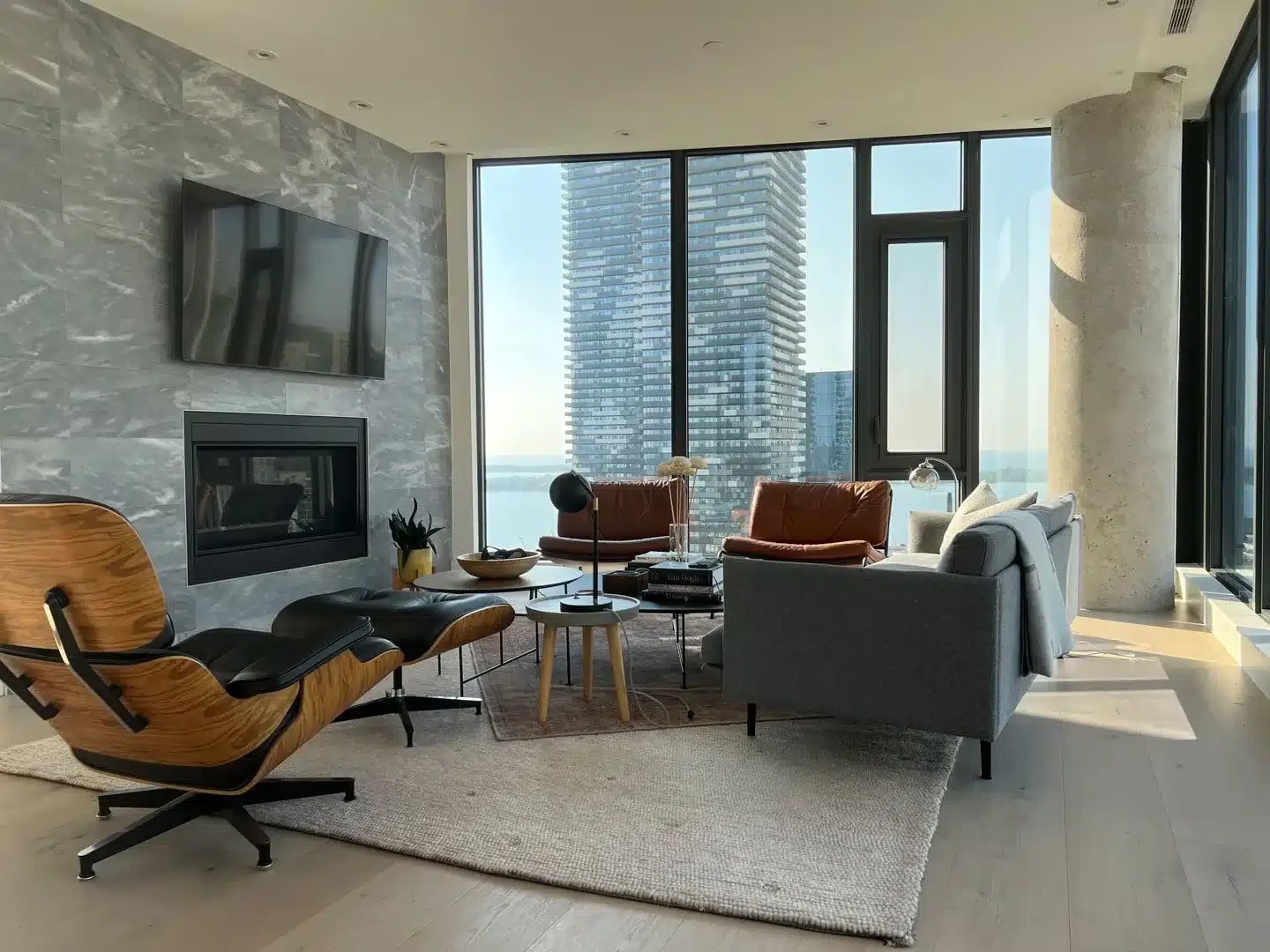
How Motorized Blinds Work
Motorized window treatments may look almost identical to manual versions.
The main difference is hidden inside the hardware.
A compact electric motor moves the:
- shade
- blind
- curtain track
- related mechanism
The motor receives instructions from a control device.
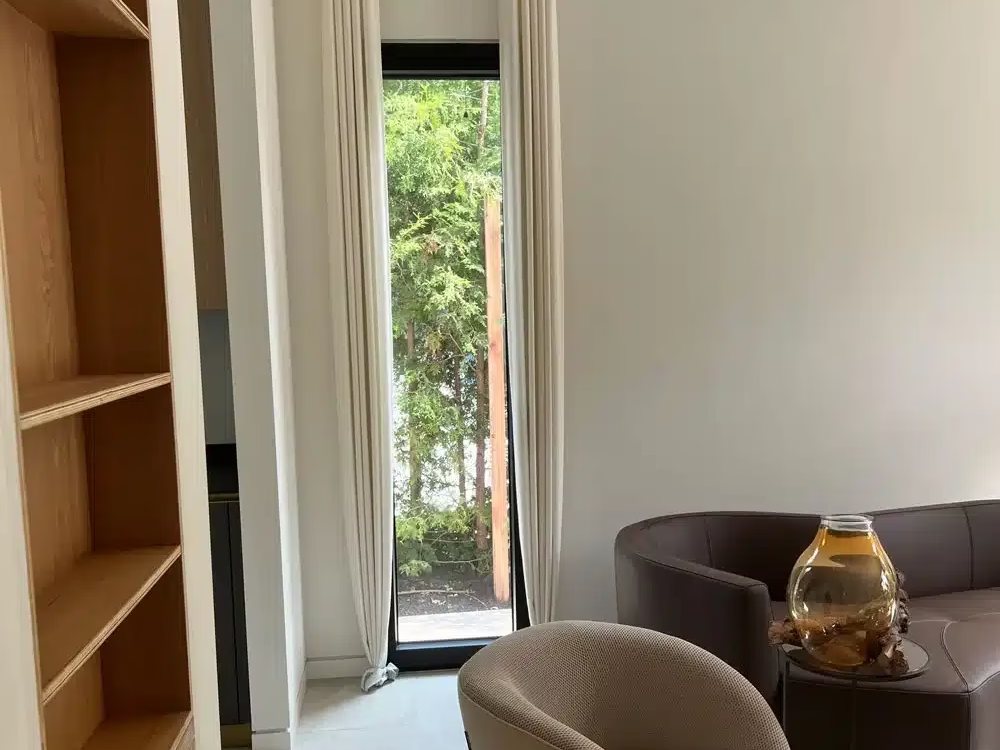
The Main Components
Most motorized window-treatment systems include several basic components.
Motor
The motor physically moves the treatment.
For a roller shade, the motor is often located inside the roller tube.
For curtains, the motor operates the track.
Power Source
Power may come from:
- rechargeable battery
- replaceable batteries
- hardwired electrical connection
- low-voltage power supply
Control
Controls may include:
- remote
- wall control
- smartphone
- automation system
Receiver or Communication System
The motor must receive instructions.
Depending on the product, this may use:
- radio communication
- local wireless network
- bridge/hub
- another proprietary communication system
How Does a Motorized Roller Shade Work?
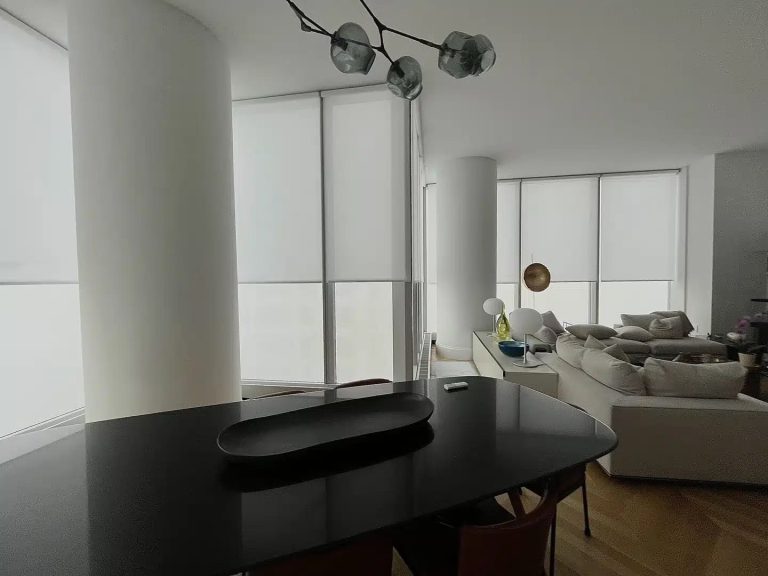
A motor inside the roller tube turns the tube.
As it rotates, the fabric rolls upward or unrolls downward.
The motor stops at programmed upper and lower limits.
These limits help prevent the shade from travelling too far.
How Do Motorized Curtains Work?
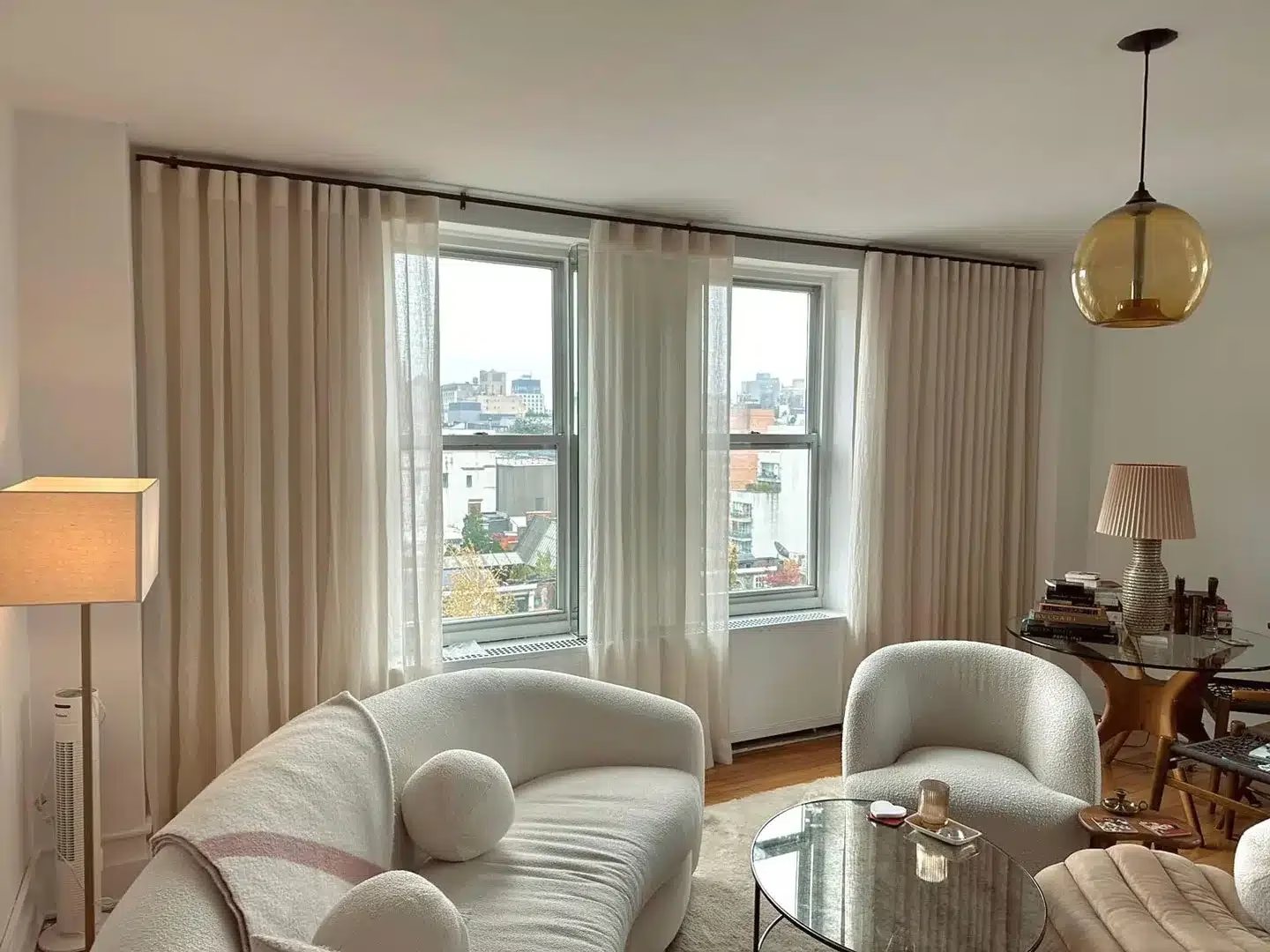
Motorized curtains use a powered track.
The motor moves carriers within the track.
The curtain panels then open or close along the track.
This works particularly well for:
- wide windows
- floor-to-ceiling curtains
- ripple fold drapes
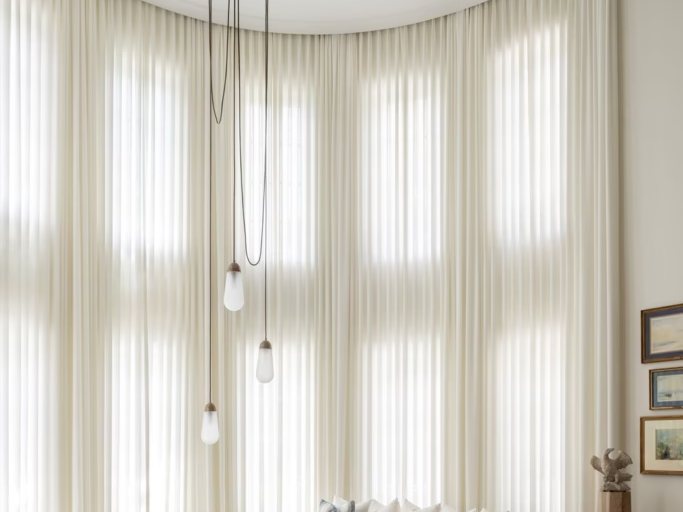
How Are Motorized Blinds Controlled?
Remote Control
A dedicated remote can operate one or more treatments.
Wall Control
Some systems offer wall-mounted controls.
Smartphone
Compatible products may use an app.
Schedules
Some systems allow automatic operation based on time.
Smart Home
Certain products can integrate with compatible smart-home platforms.
Can Several Shades Move Together?
Often, yes.
Many systems allow treatments to be placed into groups.
For example:
- Living Room Group: all living-room shades
- South Windows: only south-facing shades
- All Shades: entire room or home
Actual grouping functionality varies by system.
How Do the Shades Know Where to Stop?
During setup, upper and lower travel limits are typically configured.
This tells the motor:
- maximum open position
- maximum closed position
Some systems may also support favourite/intermediate positions.
Do Motorized Blinds Need Wi-Fi?
Not necessarily.
Basic remote-controlled motorization may work independently of Wi-Fi.
Depending on the product, smartphone and smart-home functionality may require:
- Wi-Fi
- hub
- bridge
- another network connection
What Happens If the Internet Goes Down?
This depends on how the system is designed.
A local remote may continue working even if internet service is unavailable.
Cloud-dependent app functions may not.
This is another reason to understand the control architecture before purchasing.
How Are Motorized Shades Installed?
Installation usually involves:
- mounting brackets or track
- installing the treatment
- connecting or activating power
- setting travel limits
- pairing controls
- testing operation
Hardwired systems may require electrical work before the treatment is installed.

Can Existing Blinds Be Motorized?
Sometimes.
Certain products can be retrofitted.
Others cannot.
It depends on:
- tube
- headrail
- weight
- motor compatibility
In many cases, replacing the treatment with a motor-ready product is simpler.
Final Thoughts
Motorized window treatments are essentially conventional blinds, shades or curtains combined with:
- a motor
- power
- control system
The technology can be simple or sophisticated depending on the project.
Understanding these components makes it easier to compare different systems.