Blackout vs. Light Filtering Shades
Choosing shades is not only about colour or style.
One of the most important decisions is how much light you want the fabric to allow into the room.
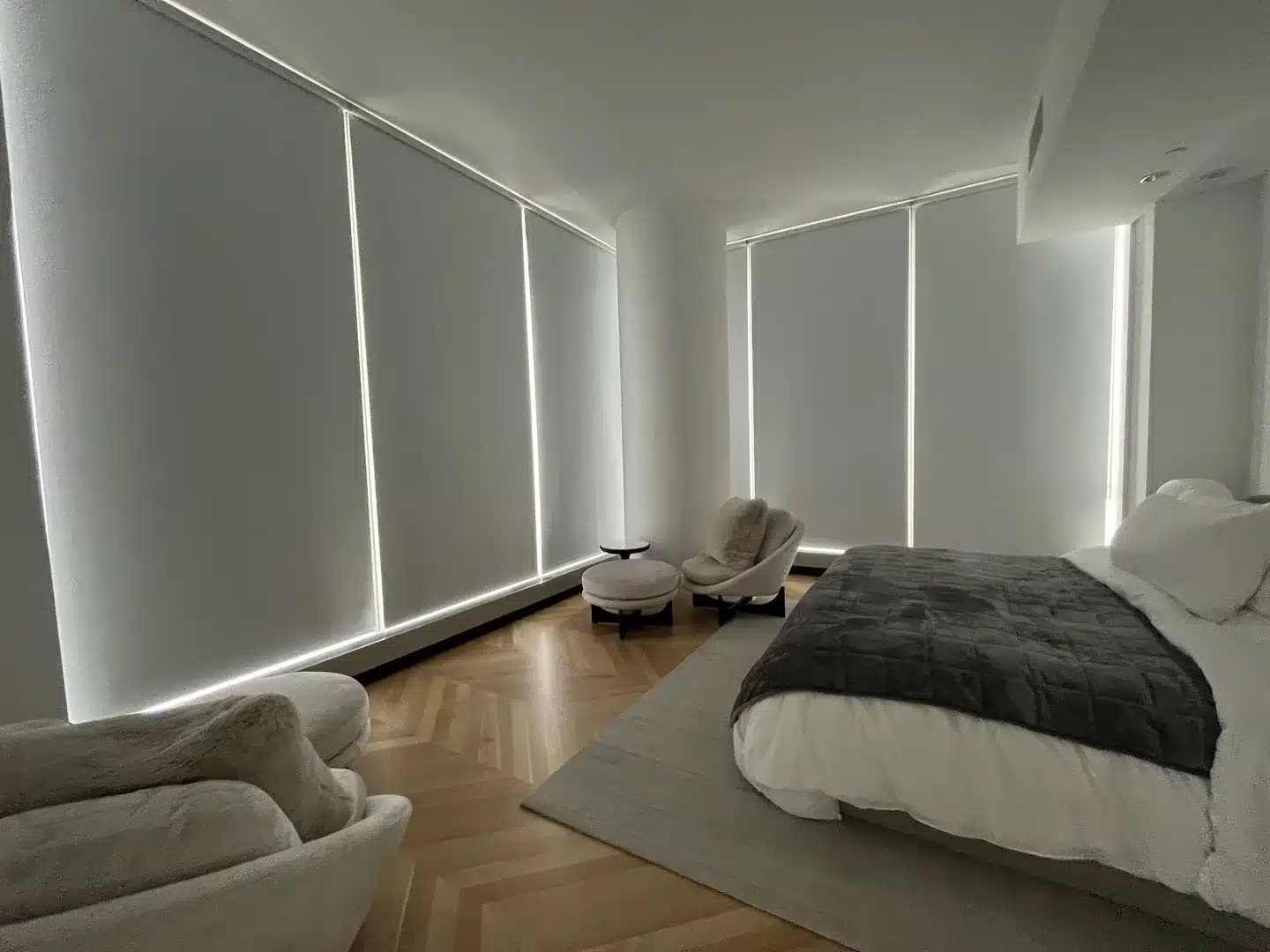
Blackout shades are designed to block as much incoming light as possible.
Light filtering shades reduce glare and soften daylight while still allowing the room to remain naturally bright.
Both can provide privacy, but they create very different environments.
The right choice depends on the room, window exposure and how you use the space.
What Are Light Filtering Shades?
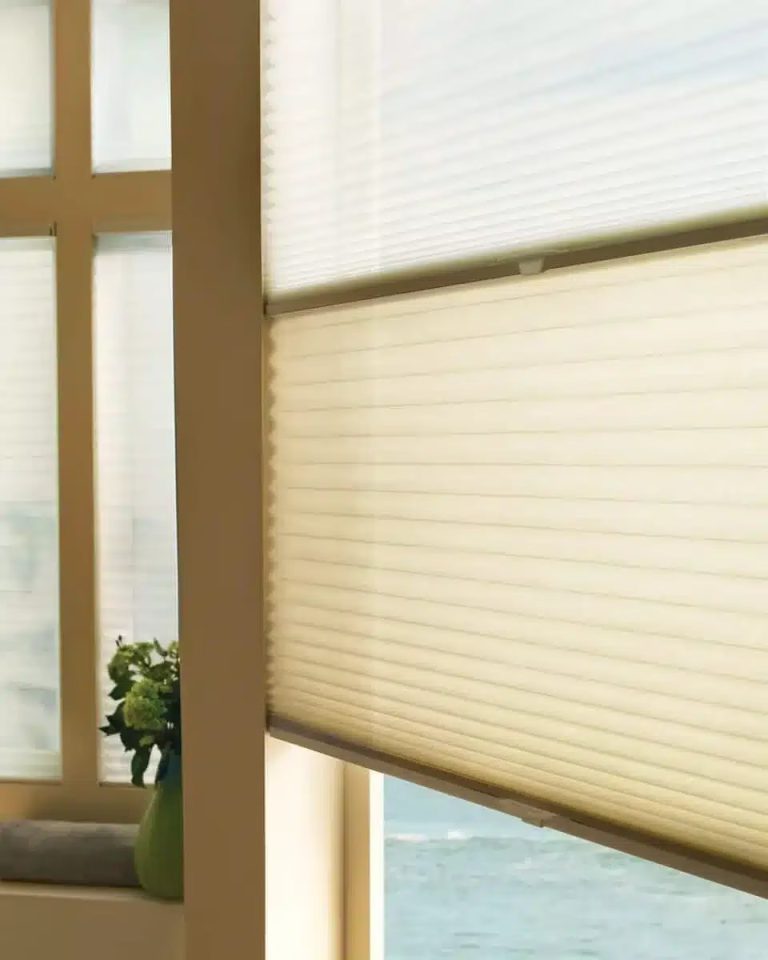
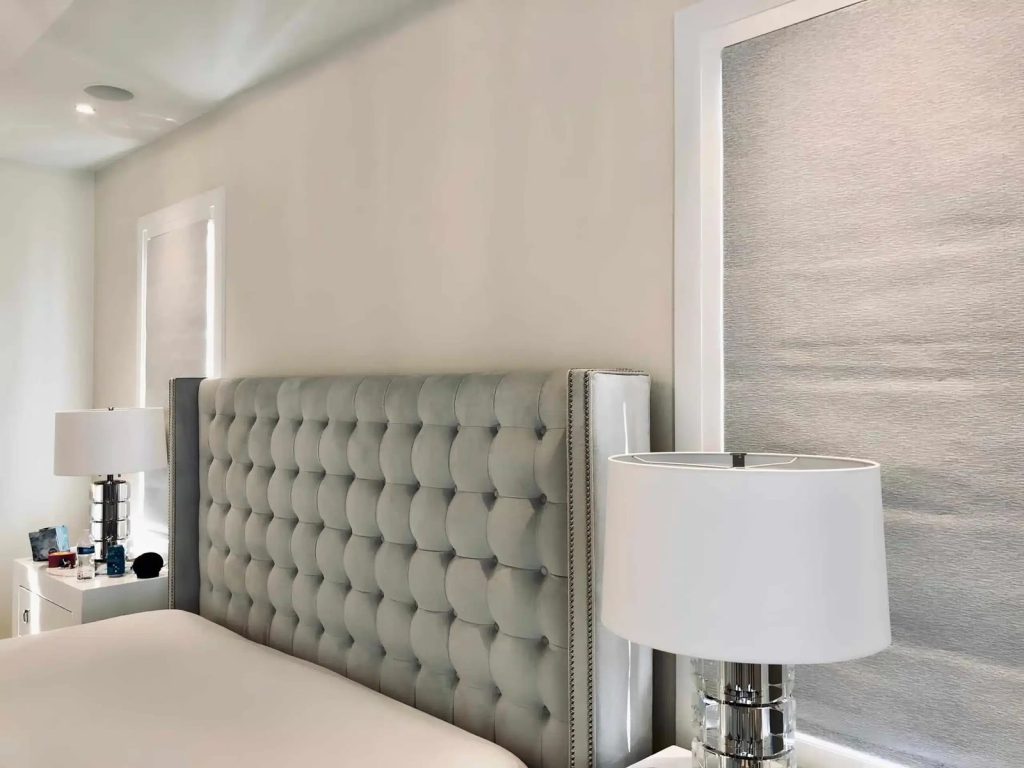
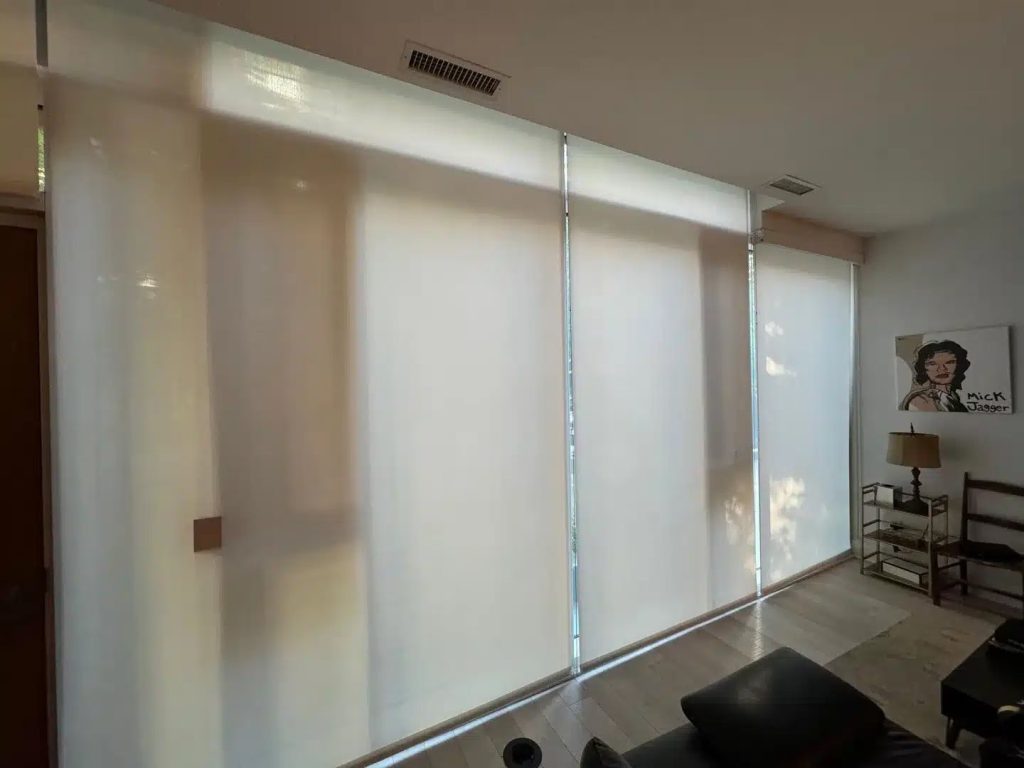
Light filtering shades use fabric that reduces direct sunlight while still allowing diffused natural light into the room.
Instead of making a room dark, they soften the brightness.
This can help:
- reduce glare
- improve daytime privacy
- soften harsh sunlight
- create a more comfortable atmosphere
- protect furniture and interior finishes from some direct sun exposure
Light filtering shades are commonly used in:
- living rooms
- kitchens
- dining rooms
- home offices
- family rooms
They are a good option when you want privacy and light control without losing the benefits of daylight.
What Are Blackout Shades?
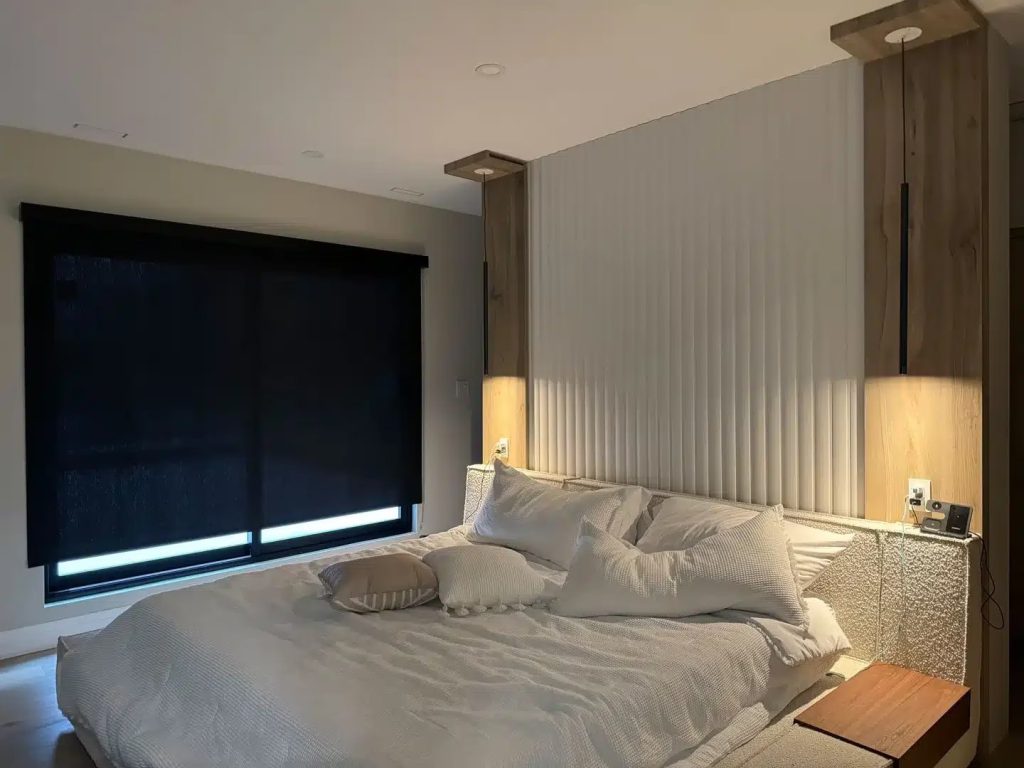
Blackout shades use opaque materials designed to block incoming light.
They are most commonly used in rooms where darkness is important.
Typical applications include:
- bedrooms
- nurseries
- media rooms
- home theatres
- shift workers’ bedrooms
- rooms with strong early-morning sunlight
Blackout fabric can dramatically reduce the amount of visible light entering through the shade itself.
However, even a blackout shade may allow small amounts of light around the sides unless the system is specifically designed to minimize those gaps.
Blackout vs. Light Filtering: Key Differences
| Feature | Blackout Shades | Light Filtering Shades |
|---|---|---|
| Light Control | Blocks most incoming light | Softens and reduces incoming light |
| Room Brightness | Creates a much darker room | Maintains natural daylight |
| Privacy | Excellent | Good to excellent depending on fabric |
| Best For | Bedrooms, nurseries, media rooms | Living rooms, kitchens, offices |
| Glare Reduction | Excellent | Very good |
| Outside View | Usually blocked | Usually obscured |
| Sleep | Best option for creating darkness | Less suitable if darkness is important |
| Daytime Atmosphere | Darker and more controlled | Bright and softly illuminated |
Are Blackout Shades Completely Blackout?
Not always.
The fabric itself may block nearly all visible light, but light can still enter around the perimeter of the shade.
This is sometimes called light leakage.
The amount depends on:
- how the shade is mounted
- window depth
- side gaps
- hardware
- whether side channels are used
For most residential bedrooms, a properly fitted blackout roller shade provides a significant improvement.
For spaces where extremely high darkness is required, additional side channels or layered curtains may be considered.
Do Light Filtering Shades Provide Privacy?
Yes, but the level of privacy varies.
During the day, light filtering materials generally make it difficult to see clearly into the room.
At night, however, the situation changes.
If the interior is brightly lit and it is dark outside, silhouettes may be more visible through some light filtering fabrics.
Bedrooms and bathrooms may therefore require:
- a more opaque fabric
- a blackout shade
- layered curtains
- another privacy treatment
The exact performance depends on the material.
Which Is Better for Bedrooms?
Blackout shades are usually the stronger choice when sleep is the priority.
They can help reduce:
- early morning sunlight
- street lighting
- headlights
- neighbouring building lights
This is particularly useful in Toronto during summer, when daylight begins early and continues late into the evening.
Light filtering shades can still work in bedrooms where total darkness is not necessary.
Some homeowners also combine light filtering shades with blackout curtains to create more flexibility.
Which Is Better for Living Rooms?
Light filtering shades are often the better fit for living rooms.
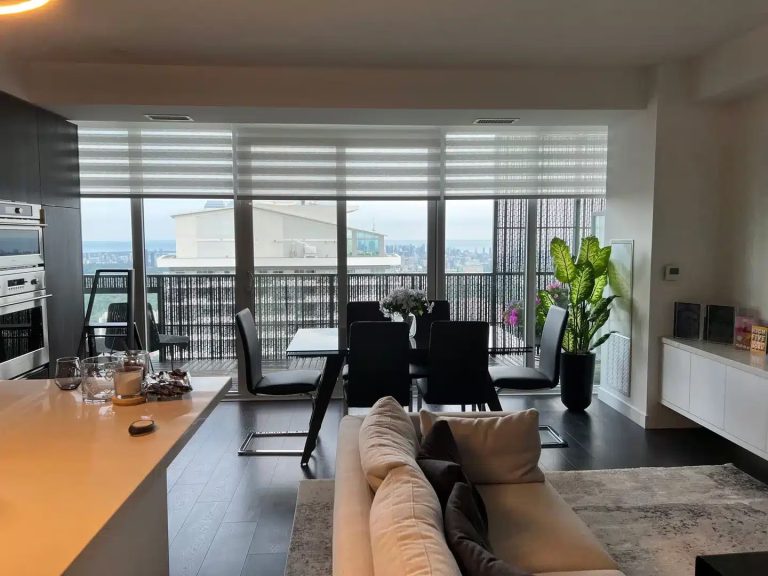
They reduce harsh sunlight while maintaining an open, naturally illuminated space.
For living rooms with televisions or strong western exposure, a darker fabric or solar shade may provide better glare control.
The ideal solution depends on:
- window orientation
- nearby buildings
- privacy needs
- television placement
- amount of direct sunlight
What About Home Offices?
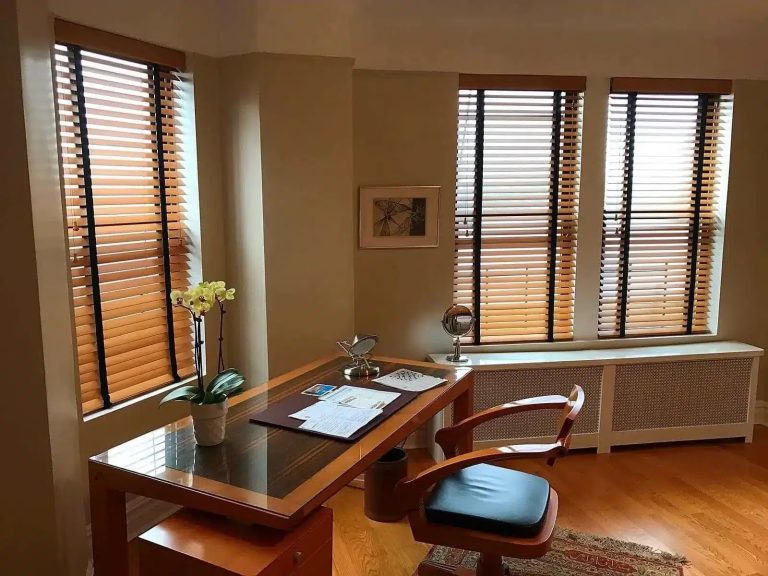
Light filtering shades can work very well in home offices because they reduce glare without making the room unnecessarily dark.
If screens face a bright window, solar shades may also be worth considering.
Solar fabrics are specifically designed to reduce glare and solar heat while preserving varying levels of outward visibility.
Can You Use Both?
Yes.
Layering different window treatments is common.
For example:
- light filtering shades + blackout curtains
- blackout shades + decorative curtains
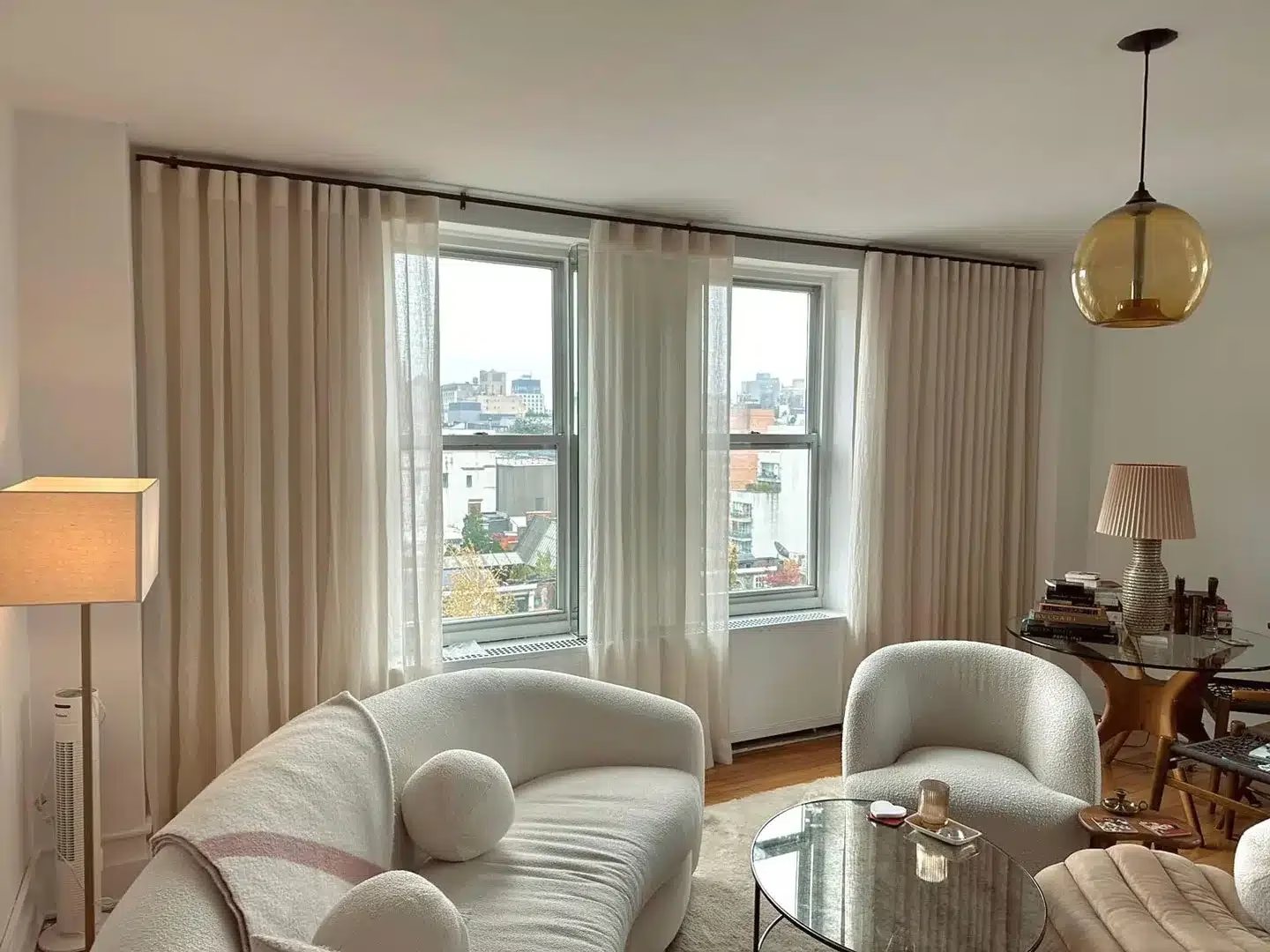
- sheer shades + drapes
- dual shades with multiple fabric positions
Layering gives the homeowner more flexibility throughout the day.
Which Should You Choose?
Choose blackout shades if:
- sleeping conditions matter
- you need substantial darkness
- the room receives strong early morning light
- you have a media room
- nighttime privacy is a priority
Choose light filtering shades if:
- you want natural daylight
- reducing glare is more important than darkness
- the room is used mainly during the day
- you want a softer, brighter atmosphere
For many homes, the best solution is not choosing one fabric for every room.
Different rooms can use different opacity levels depending on how each space is used.
Final Thoughts
Blackout and light filtering shades solve different problems.
Blackout shades prioritize darkness and privacy.
Light filtering shades prioritize comfortable natural light while reducing glare.
Think first about how you use the room, then choose the fabric and shade style that provides the right balance.