Best Window Treatments for Toronto Condos
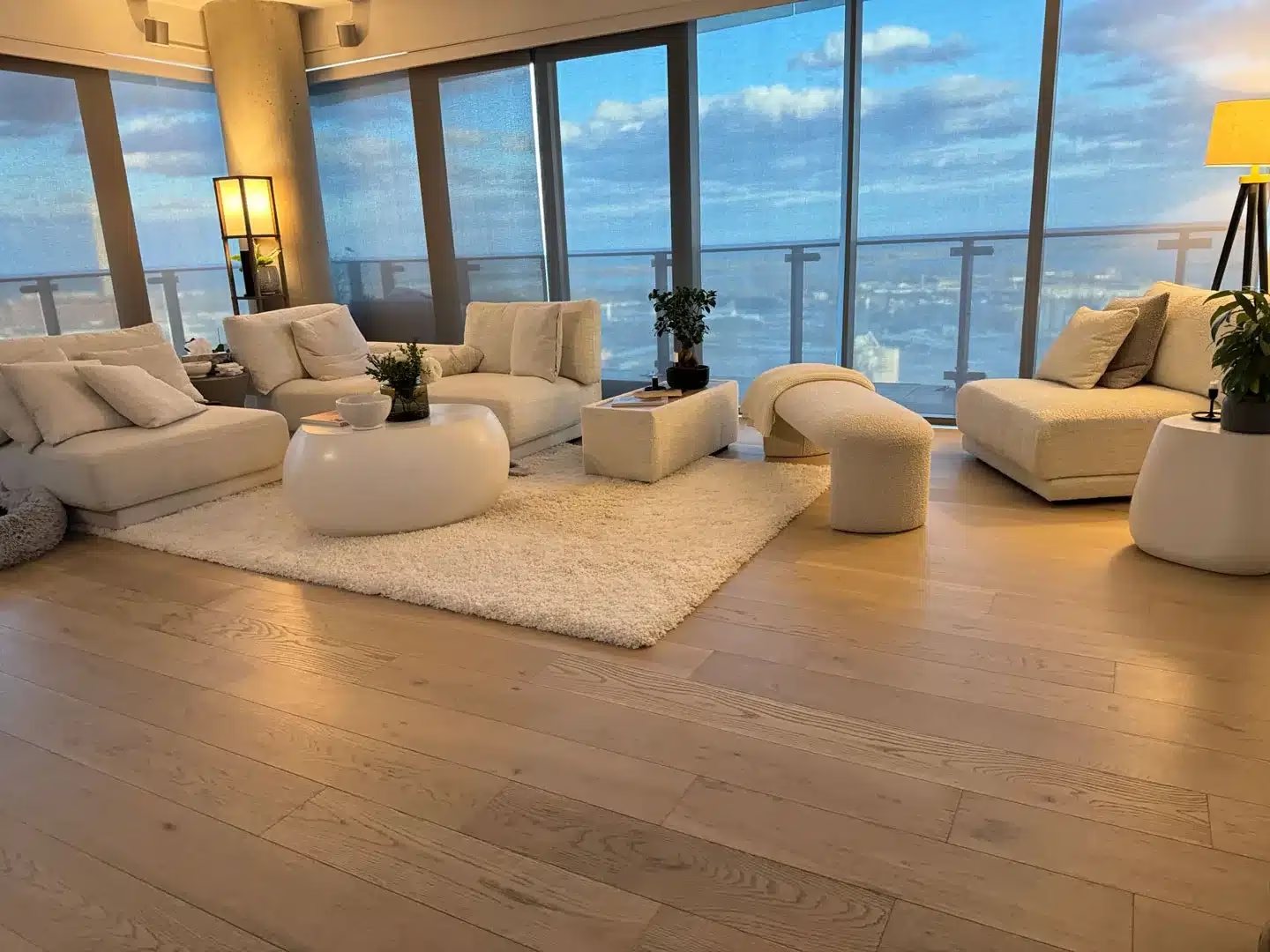
Large windows are one of the most attractive features of many Toronto condos.
They bring in natural light, open up views and can make a relatively compact space feel much larger.
But large glass surfaces also create practical challenges.
Depending on the orientation and surrounding buildings, condo owners may need to deal with:
- strong afternoon sun
- glare on televisions and computer screens
- heat gain
- limited nighttime privacy
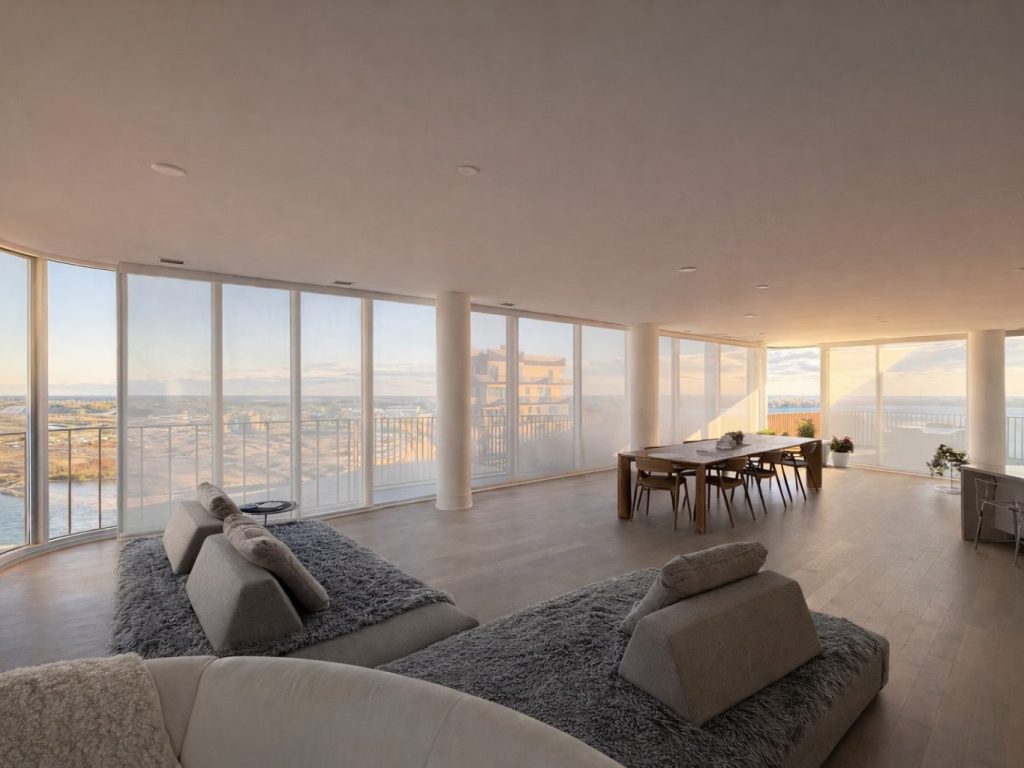
- floor-to-ceiling glass
- unusually wide windows
- balcony doors
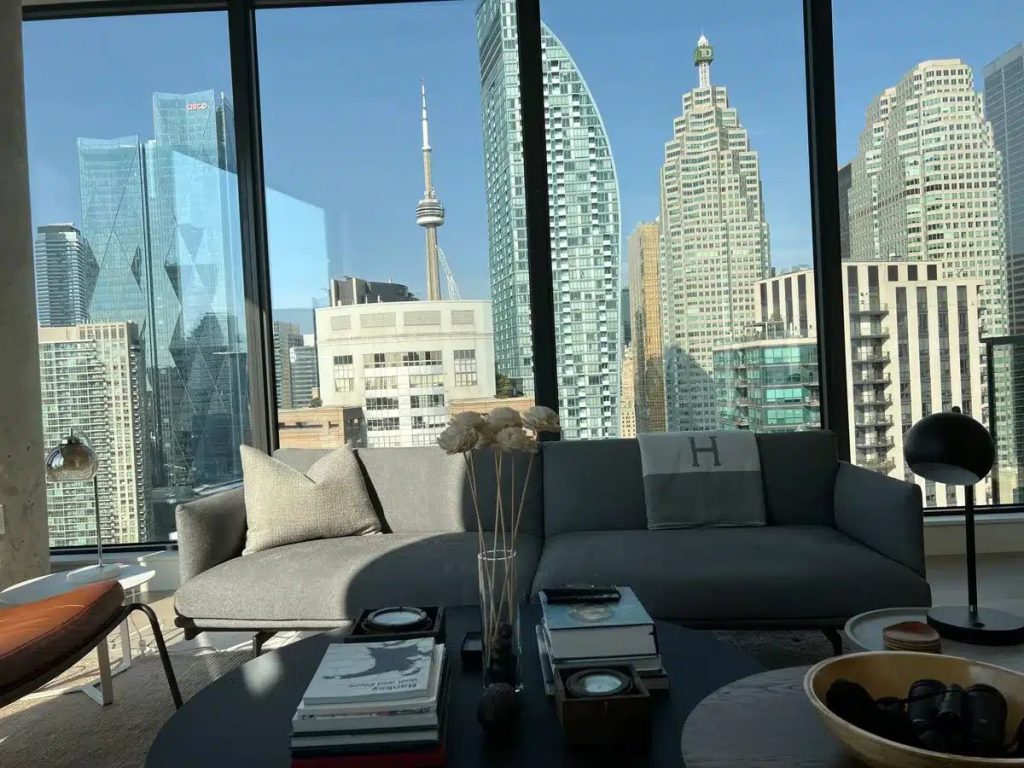
- neighbouring towers
The best condo window treatment should solve those problems without making the room feel heavy or reducing the sense of openness.
Roller Shades
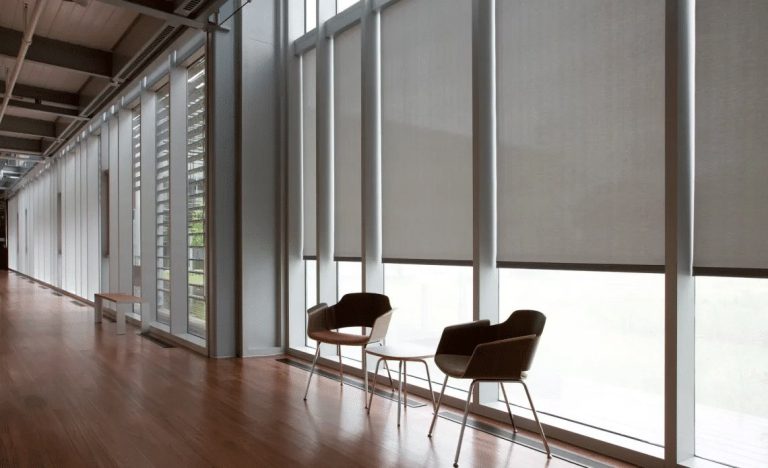
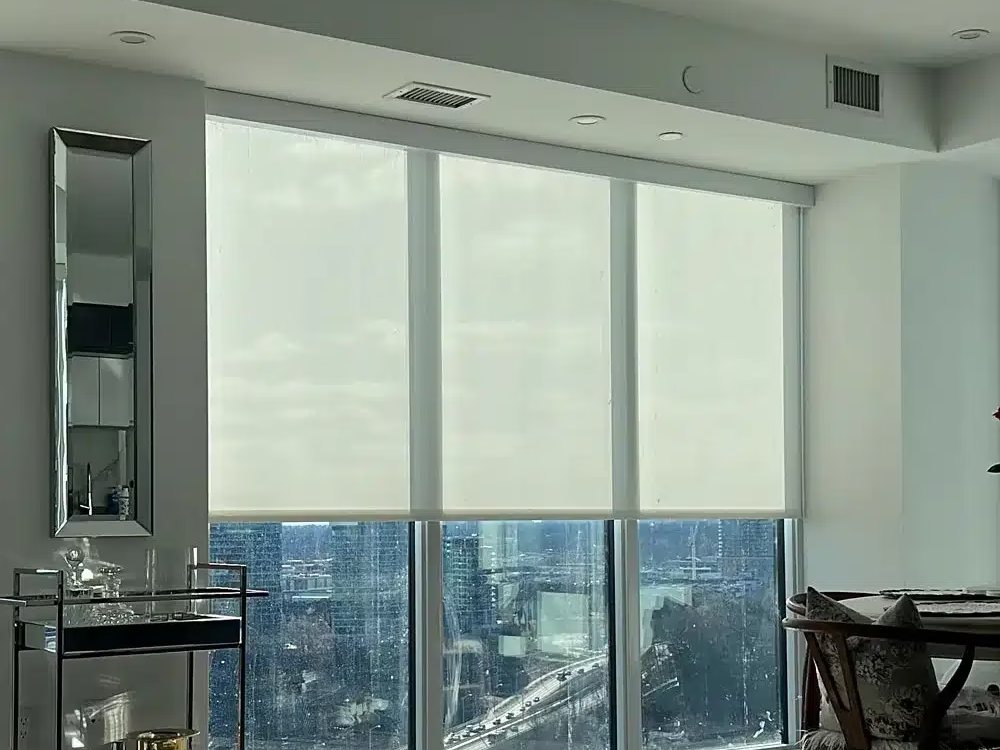
Roller shades are one of the most practical options for condos.
They have a compact profile and can cover large windows without adding much visual weight.
Different fabrics can provide different levels of:
- light filtering
- privacy
- blackout
- glare reduction
- UV protection
When raised, the fabric rolls neatly near the top of the window.
This makes roller shades particularly suitable for modern interiors where clean lines are important.

Solar Shades
Solar shades are useful for condos with strong direct sunlight.
They are designed to reduce:
- glare
- solar heat
- UV exposure
while maintaining varying degrees of outward visibility.
Solar fabrics are typically described by an openness percentage.
A more open fabric preserves more of the view.
A tighter fabric generally provides greater glare and solar control.
This can make solar shades particularly useful for:
- south-facing windows
- west-facing windows
- living rooms with televisions
- home offices
- high-rise units with expansive views
Blackout Shades
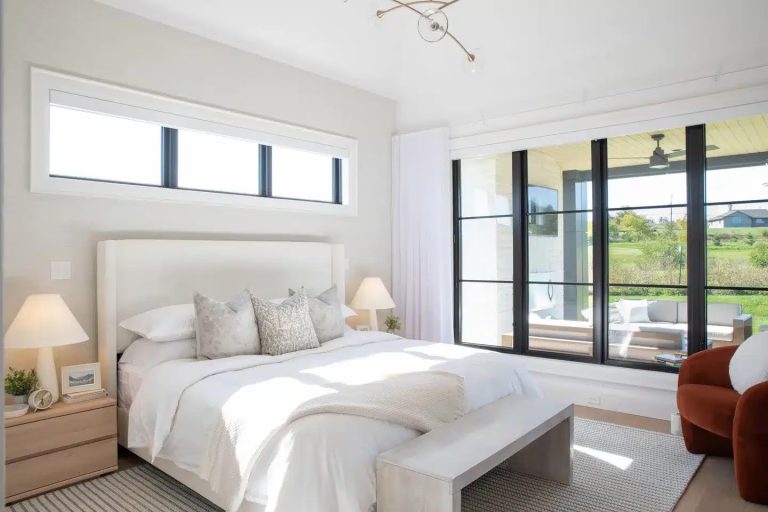
Bedrooms in downtown condos can be exposed to:
- streetlights
- neighbouring buildings
- early morning sunlight
- illuminated signs
- traffic
Blackout shades can significantly reduce these light sources.
They are especially useful for bedroom windows where sleep quality matters more than preserving a daytime view.
For greater darkness, the installation method is just as important as the blackout fabric itself.
Small gaps around the edges can still allow light into the room.

Zebra Blinds
Zebra blinds combine alternating sheer and opaque fabric bands.
By adjusting how the bands overlap, homeowners can switch between:
- greater privacy
- filtered daylight
- more open visibility
Their modern appearance makes them popular in contemporary condos.
They can work particularly well in:
- living rooms
- kitchens
- home offices
where flexible daytime light control is useful.

Motorized Shades
Motorization can be especially useful in condos with large or hard-to-reach windows.
Instead of manually adjusting multiple shades, motorized systems can potentially control several windows together.
Depending on the system, control may be available through:
- remote control
- wall switch
- smartphone app
- schedules
- compatible smart-home systems
This is useful for wide window walls where manually opening several individual shades every morning can become inconvenient.
Motorized systems can also automatically adjust shades at different times of day.

Curtains and Drapes
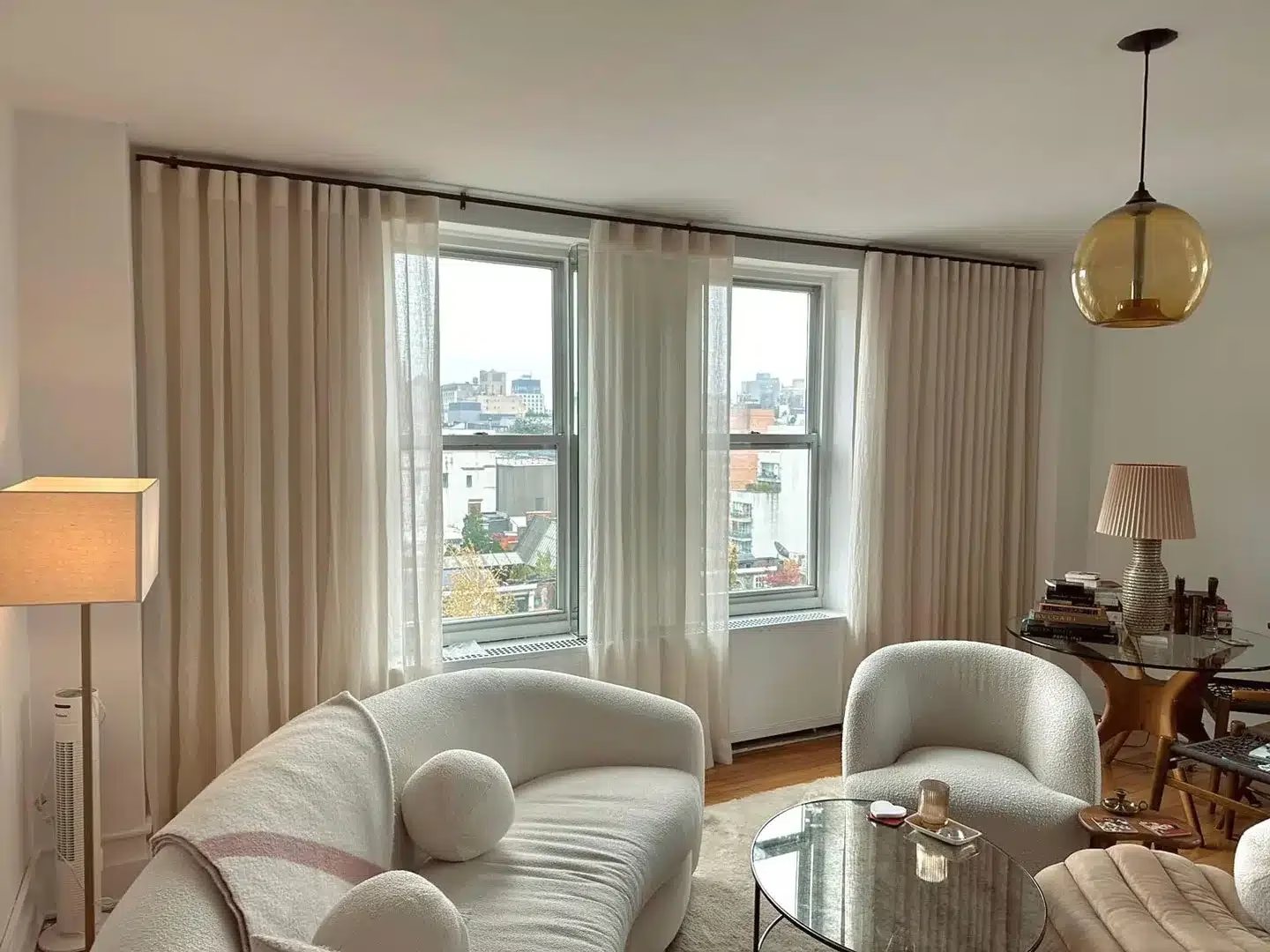
Curtains can soften the appearance of large condo windows and add texture that blinds or shades alone may not provide.
Ripple fold drapes are particularly well suited to modern condos because they create clean, consistent waves and work well across wide windows.
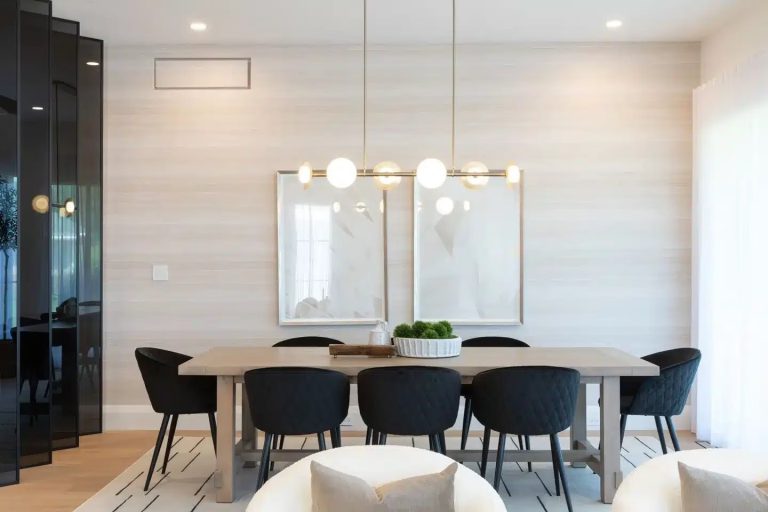
Sheer curtains can preserve natural light while creating additional daytime privacy.
Blackout drapes can improve bedroom darkness.
Layering curtains with shades also allows greater flexibility.
For example:
- roller shade + decorative drapes
- blackout shade + sheer curtains
- solar shade + ripple fold curtains
What Is Best for Floor-to-Ceiling Windows?
Floor-to-ceiling windows usually benefit from treatments that remain visually simple.
Good options include:
- roller shades
- solar shades
- motorized shades
- ripple fold curtains
- sheer curtains
The exact choice depends on whether your priority is:
- preserving the view
- blocking heat
- increasing privacy
- improving sleep
- adding decorative softness
For exceptionally wide windows, the treatment may need to be divided into multiple sections.
This often makes the system easier to operate and can provide more flexible control over different parts of the window.
What Is Best for Condo Privacy?
Privacy depends heavily on the surrounding buildings.
A high-floor unit with an unobstructed view may need relatively little daytime privacy.
A condo facing another tower may require much more.
Good options include:
Light Filtering Shades
Allow daylight while obscuring direct visibility.
Zebra Blinds
Allow adjustable privacy throughout the day.
Sheer Curtains
Create a softer visual barrier while maintaining brightness.
Blackout Shades
Provide substantially greater privacy when fully closed.
Remember that some light filtering fabrics become less private at night when the lights are on inside.
What Is Best for Heat and Glare?
For strong sunlight, solar shades are one of the most useful options.
They can reduce glare without completely removing the view.
Other options include:
- light filtering roller shades
- honeycomb shades
- curtains with appropriate lining
- automated shades that close during peak sunlight
Exterior exposure matters.
A west-facing condo can become particularly bright and warm in the late afternoon, while south-facing glass may receive substantial sunlight for much of the day.
What Is Best for Small Condos?
In smaller units, visually simple treatments are usually easier to integrate.
Roller shades and other compact systems keep the area around the window uncluttered.
Using similar treatments across several adjacent windows can also create a more continuous appearance.
Curtains can still work in smaller condos, but ceiling-mounted tracks and floor-length panels often look cleaner than bulky decorative rods.
Are Motorized Window Treatments Worth It in a Condo?
They can be, especially when the condo has:
- many windows
- very tall windows
- wide window walls
- hard-to-reach shades
- a smart-home setup
Motorization is less important for one small accessible window.
It becomes more useful as the size and number of window treatments increase.
Condo Rules and Installation
Before installing window treatments, condo owners should consider their building’s rules.
Some buildings may have requirements regarding:
- drilling into concrete
- attaching hardware to ceilings
- exterior-facing appearance
- electrical modifications
- common elements
Requirements vary by building.
If you are unsure, check with your condominium management before planning an installation that involves structural mounting or electrical work.
Which Window Treatment Is Best Overall?
There is no single best treatment for every Toronto condo.
A practical combination might look like:
- Living room: solar or light filtering roller shades
- Bedroom: blackout shades
- Large window wall: motorized roller shades or ripple fold curtains
- Home office: solar shades
- Privacy-focused room: zebra blinds or light filtering shades
- Decorative layer: sheer or ripple fold curtains
The strongest solution often combines different treatments based on how each room is used.
Final Thoughts
Toronto condos often have very different window requirements from detached homes.
Large glass surfaces, neighbouring towers and strong sun exposure make privacy, glare and heat control especially important.
Start by identifying the main problem you want the window treatment to solve.
Then choose the product, fabric and operating system that addresses that need while preserving the light and views that make condo living appealing.