Curtains vs. Drapes: What’s the Difference?
The words curtains and drapes are often used to describe the same thing: fabric panels covering a window.
In everyday conversation, the distinction is not always important.
However, in interior design and custom window treatments, drapes usually refer to a more structured and often heavier treatment, while curtains can include a much wider range of lighter and more casual fabrics.
The difference usually comes down to:
- fabric
- lining
- construction
- fullness
- hardware
- overall appearance

What Are Curtains?
Curtains are fabric panels that hang from a rod or track.
They can range from:
- sheer
- lightweight
- decorative
- lined
- room darkening
- blackout
Curtains may be casual or formal depending on the material and construction.
Common examples include:
- sheer curtains
- linen curtains
- café curtains
- decorative panels
- blackout curtains
What Are Drapes?
Drapes generally refer to more structured fabric panels.
They are often:
- custom made
- floor length
- lined
- fuller
- installed on tracks or substantial rods
Common drapery styles include:
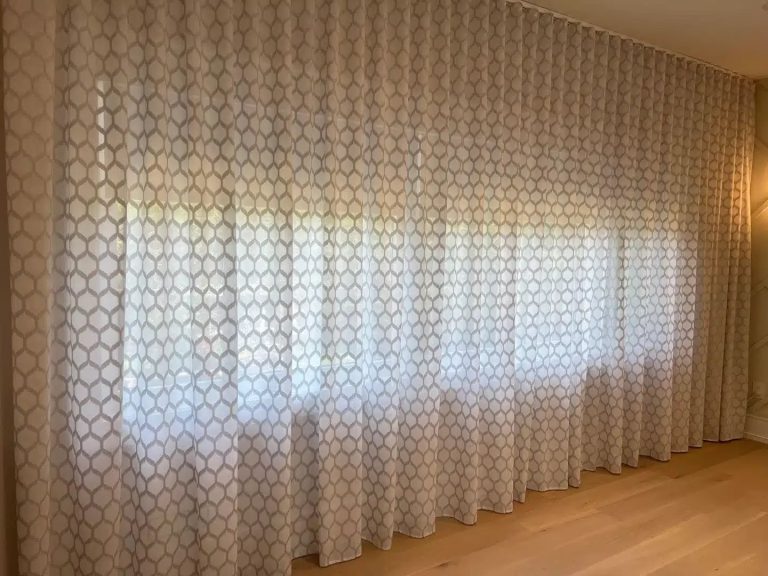
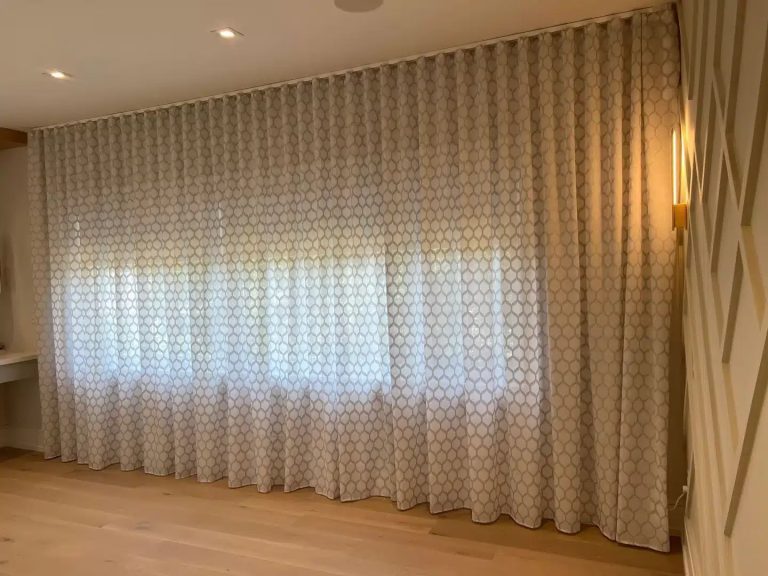
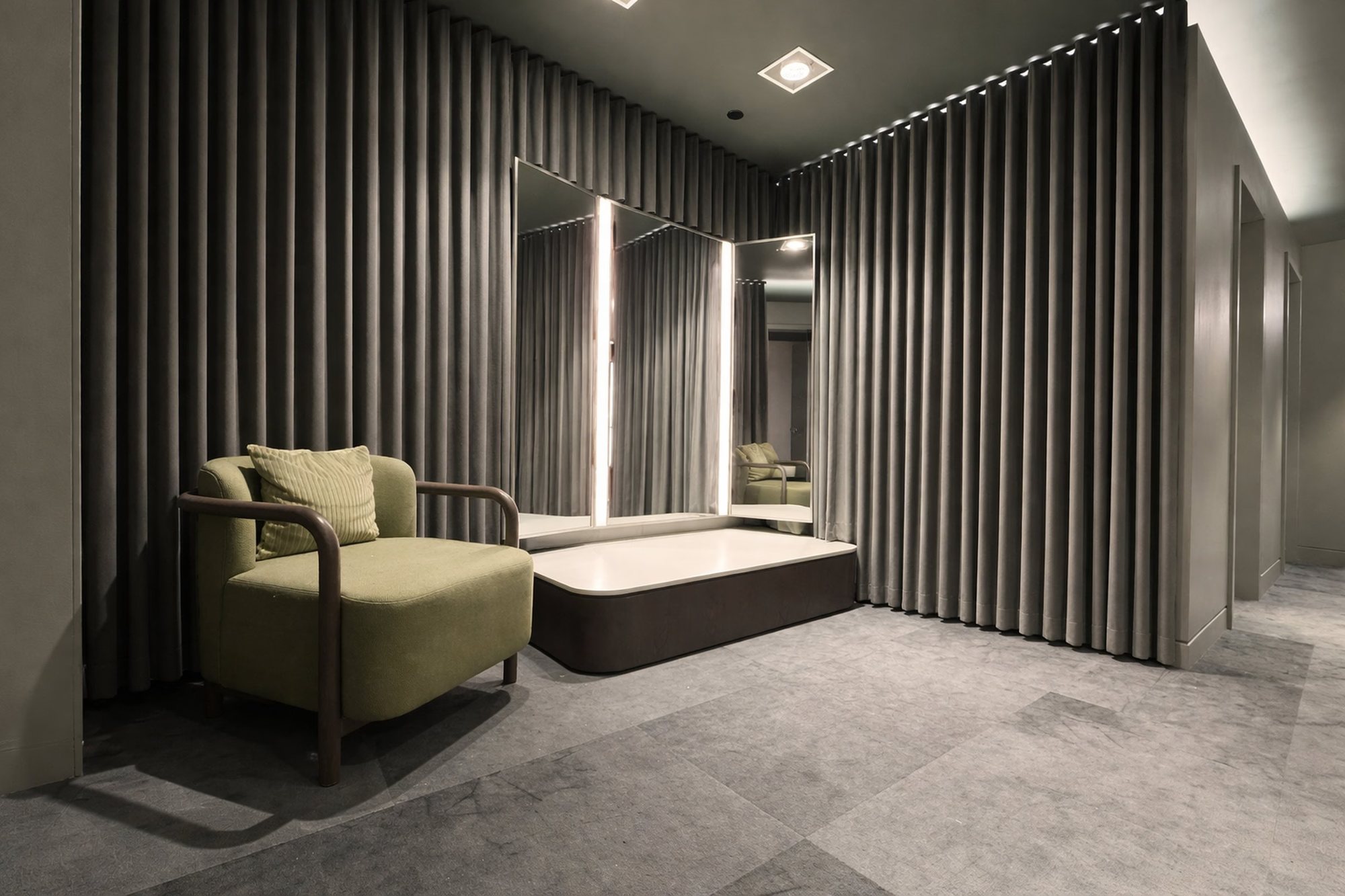
- ripple fold
- pinch pleat
- tailored pleat
- goblet pleat
Drapes are frequently used when the window treatment is intended to be an important part of the interior design.

Curtains vs. Drapes: Key Differences
| Feature | Curtains | Drapes |
|---|---|---|
| Fabric | Can be lightweight or heavy | Often heavier or more substantial |
| Lining | Optional | Frequently lined |
| Style | Casual to formal | Usually more tailored |
| Length | Many lengths available | Often floor length |
| Light Control | Depends on fabric | Stronger options with lining |
| Insulation | Varies | Can improve with heavier fabric/lining |
| Hardware | Rod or track | Often track or substantial rod |
| Customization | Ready-made or custom | Frequently custom |
Are Drapes More Formal?
Often, yes.
Structured pleats, heavier materials and full-length installation can make drapes feel more formal.
However, modern drapery can also look extremely minimal.
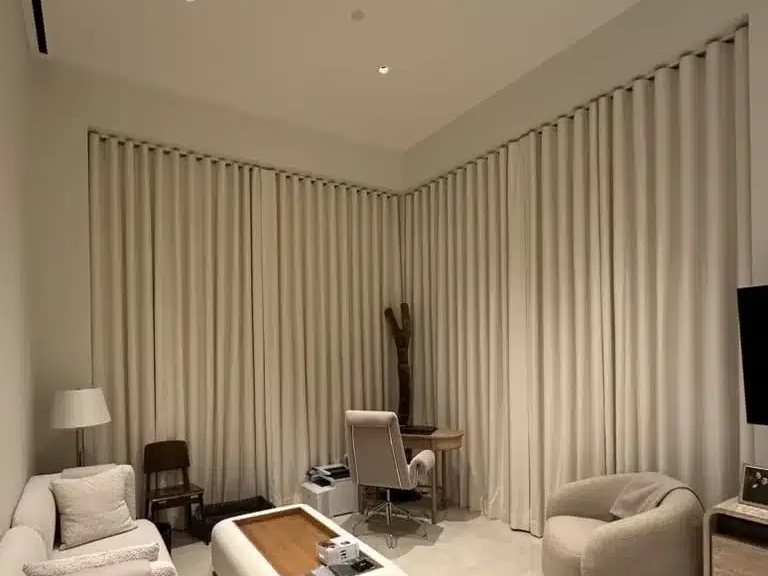
For example, ripple fold drapes in a simple neutral fabric can work very well in contemporary condos.
Are Curtains Always Lightweight?
No.
The word curtain can describe many types of fabric window coverings, including blackout curtains.
That is why the terminology is not always consistent.
It is usually more useful to ask about fabric type, lining, heading style, fullness and light control rather than relying only on whether a product is called a curtain or drape.
Which Is Better for Bedrooms?
Bedrooms often benefit from more substantial fabrics.
Lined drapes or blackout curtains can help with:
- darkness
- privacy
- visual softness
They can also be layered over blackout shades.
Which Is Better for Living Rooms?
Either can work.
Choose lighter curtains when you want:
- natural light
- softness
- an airy appearance
Choose heavier drapes when you want:
- stronger visual impact
- increased privacy
- more substantial fabric
- formal or tailored styling
Which Is Better for Condos?
Modern Toronto condos often use:
- ripple fold drapes
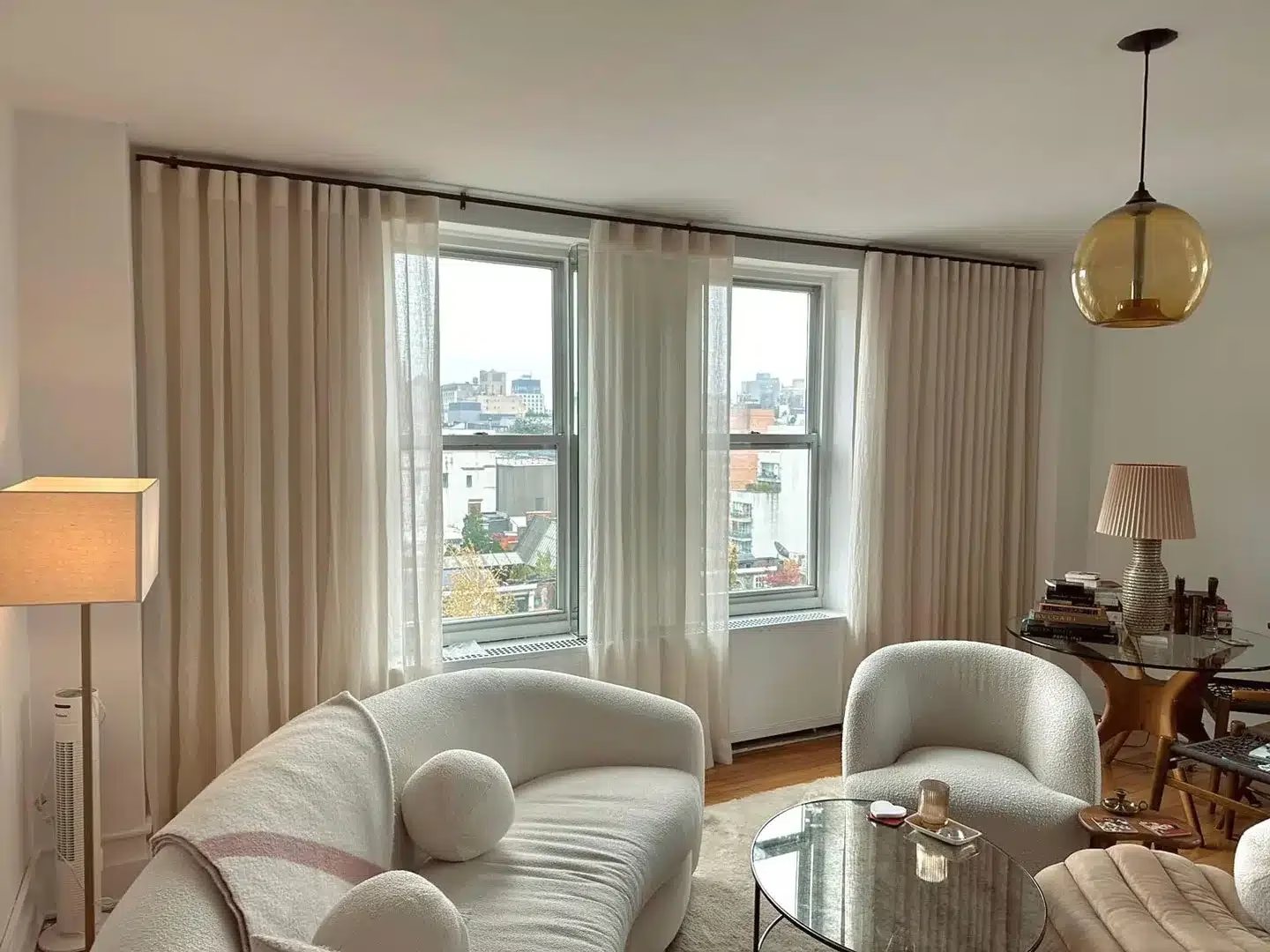
- sheer curtains
- layered sheer and blackout treatments
Ceiling-mounted tracks can make curtains feel integrated into the architecture rather than added afterward.
For floor-to-ceiling windows, full-length drapery can also emphasize vertical height.
Can Curtains and Drapes Be Motorized?
Yes.
Compatible curtain tracks can operate using motorized systems.
This can be useful for:
- wide window walls
- tall windows
- hard-to-reach curtains
- smart-home systems
Which Should You Choose?
Choose lighter curtains when you want:
- softness
- daylight
- a relaxed appearance
- decorative layering
Choose more structured drapes when you want:
- tailored design
- strong light control
- floor-to-ceiling coverage
- a more substantial window treatment
Final Thoughts
The difference between curtains and drapes is not governed by a strict universal rule.
In practice, drapes usually describe more structured and substantial fabric treatments, while curtains cover a broader range of styles.
The more important decision is choosing the right fabric, lining, heading and hardware for your room.