How Much Fabric Do Curtains Need?
Curtain fabric requirements are based on much more than the width of the window.
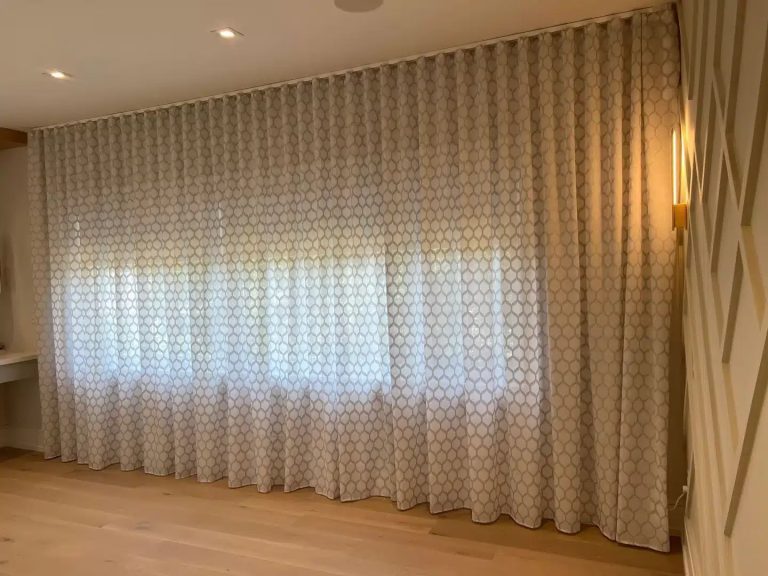
If a window is 100 inches wide, using exactly 100 inches of flat fabric would create a curtain with almost no fullness.
Curtains need additional width so the fabric can create:
- waves
- folds
- pleats
- visual depth
The exact amount depends on the curtain style.
What Is Curtain Fullness?
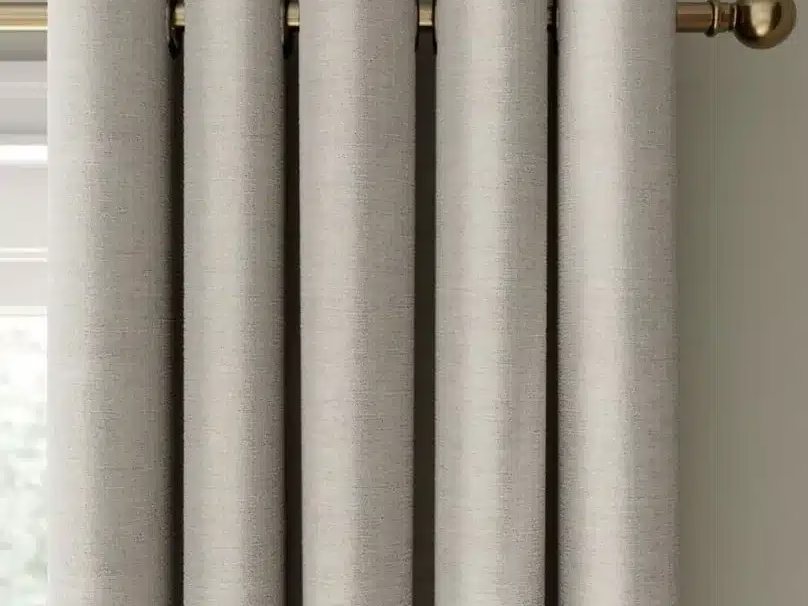
Fullness describes how much fabric width is used compared with the finished width of the curtain.
For example, a curtain using twice the finished width in fabric has approximately 2x fullness.
Depending on the system and desired appearance, many curtain styles commonly fall somewhere around approximately:
- 1.5x fullness
- 2x fullness
- 2.5x fullness
These are general design ranges rather than universal requirements.
Always follow the specifications of the track, heading and fabric being used.
Why Does Fullness Matter?
Too little fabric can make curtains appear:
- flat
- stretched
- inexpensive
- visually weak
Too much fabric can create:
- excessive bulk
- large stacking areas
- overly heavy folds
The goal is enough fabric to create attractive folds without overwhelming the window.
Ripple Fold Fabric Requirements
Ripple fold systems use a track and carrier spacing designed to create consistent waves.
The required fullness is therefore often determined by the specific track system.
The fabric requirement depends on:
- track width
- carrier spacing
- desired fullness
- fabric width
- number of panels
Do not calculate ripple fold curtains using a generic fullness multiplier without checking the hardware specification.

Pinch Pleat Fabric Requirements
Pinch pleat drapes use fabric that is physically gathered and sewn into pleats.
The required material depends on:
- finished curtain width
- pleat spacing
- pleat depth
- fabric width
- seam allowances
Pinch pleat curtains often require substantial fabric because part of the width is consumed by the pleats.
Fabric Width Matters
Decorative fabrics are manufactured in different widths.
Some are relatively narrow.
Others are designed as wide-width fabrics specifically for curtains.
Narrow fabric may require several vertical sections sewn together.
For example, depending on the window and fabric, a very wide curtain may require two, three, four or more fabric widths per panel.
Curtain Height Matters Too
Fabric length must account for:
- finished curtain height
- top construction
- hems
- pattern positioning
- sewing allowances
For floor-to-ceiling curtains, a small measuring error can make a noticeable difference.
Pattern Repeat Can Increase Fabric Requirements
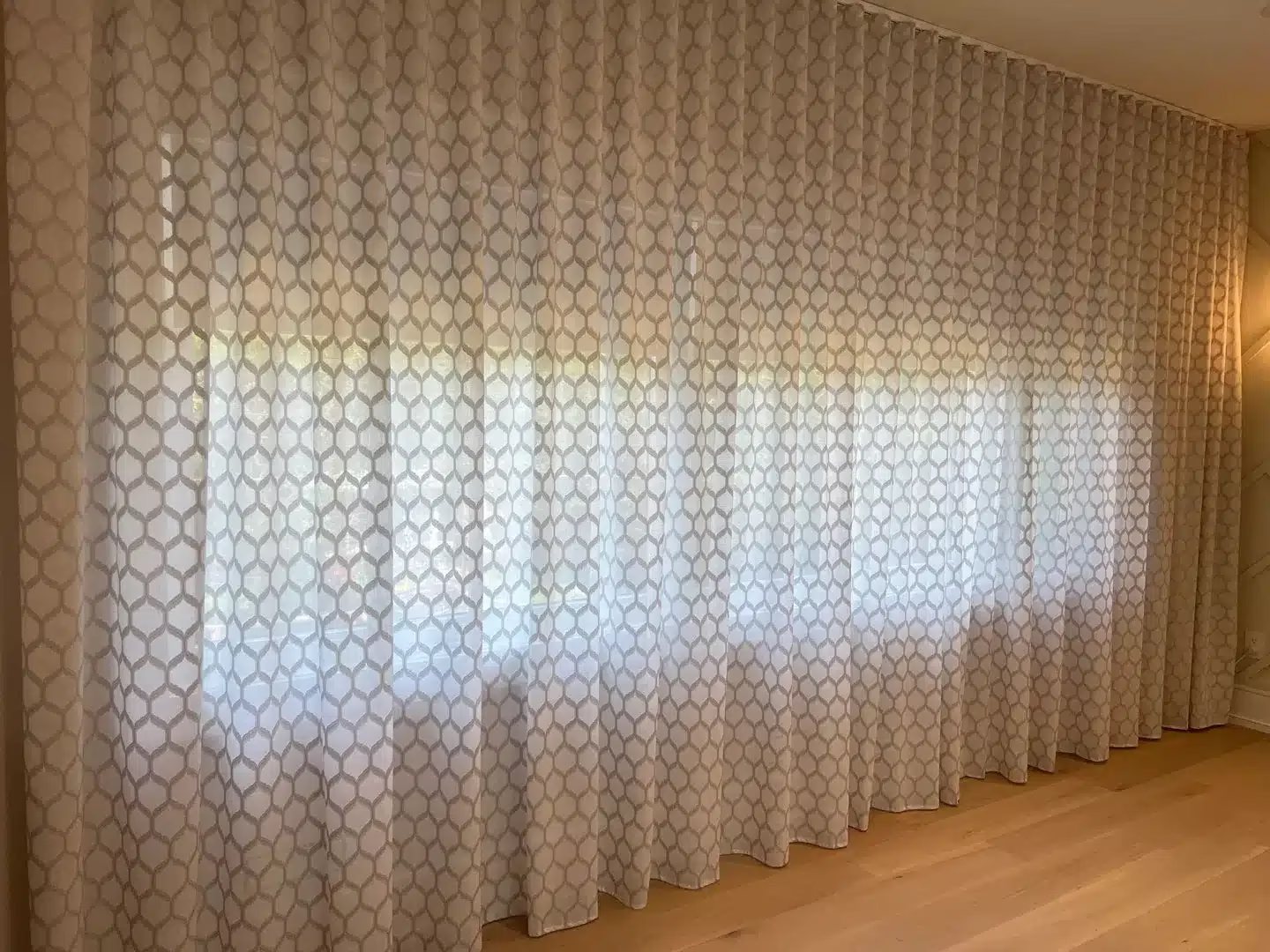
Patterned fabrics may require additional material so the design lines up between fabric panels.
This is called pattern matching.
Large repeating patterns may require considerably more fabric than a solid colour.
Example Calculation
Use this only as a simplified example.
Suppose a curtain track is 10 feet wide.
If the chosen system requires approximately 2x fullness, the finished curtain may require approximately 20 feet of usable fabric width before accounting for:
- seams
- hems
- heading construction
- fabric width
- pattern matching
This does not mean purchasing exactly 20 feet of fabric from the roll.
Fabric is sold based on its manufactured width and length, so the actual yardage/metres must be calculated based on the specific material.
How Much Fabric Do Sheer Curtains Need?
Sheer curtains often look better with generous fullness because the extra folds help create softness and privacy.
The ideal amount depends on:
- transparency
- track system
- desired appearance
Highly transparent sheers may use greater fullness than opaque fabrics.

Does More Fabric Mean More Privacy?
Sometimes.
With sheer curtains, additional fullness places more layers of fabric across the view.
This can improve visual privacy during the day.
However, sheer curtains should still not be assumed to provide complete nighttime privacy.
Why Custom Curtain Quotes Vary
Fabric is often one of the largest components of a custom drapery quote.
Costs can change significantly based on:
- fabric price
- curtain height
- window width
- fullness
- lining
- pleating
- pattern matching
A wide floor-to-ceiling curtain can require a surprisingly large amount of fabric.
Should You Calculate Fabric Yourself?
For a DIY project with simple curtains, you can estimate fabric requirements yourself.
For custom ripple fold, pinch pleat, patterned fabric, lined drapery and floor-to-ceiling installations, it is generally safer to have the workroom or installer calculate the final amount.
Final Thoughts
Curtain fabric requirements depend on the finished design, not only the window dimensions.
The most important variables are:
- track width
- curtain height
- heading style
- fullness
- fabric width
- pattern repeat
Choose the curtain style first, then calculate the fabric.